Smart, Simple & Reliable Care for Your Morkie
Learn how to keep them healthy, happy, and well-groomed with simple, effective tips, and understand their unique personality so you can create routines that make life easier for both of you.


Morkie Care Made Simple
Why Proper Morkie Care Matters
Morkies, a charming crossbreed between the Yorkshire Terrier and Maltese, have captured the hearts of dog lovers everywhere. Their small size, affectionate nature, and playful energy make them delightful companions, but these very traits also come with unique care requirements. From their sensitive digestion to their energetic personalities, Morkies need attentive care to thrive.
Many owners find themselves unsure about proper feeding amounts, keeping their coats healthy and tangle-free, managing separation anxiety, or effectively training their dog. Without guidance, these challenges can become overwhelming, even for experienced pet owners.
Whether you’re a new Morkie parent or looking to expand your knowledge, this guide is designed to help. It delivers expert-backed, easy-to-follow information that walks you through daily care routines, health essentials, grooming, training, and behavior management. By following these practical tips, you can provide the safest, happiest, and most fulfilling home for your Morkie.
Understanding the Morkie Breed
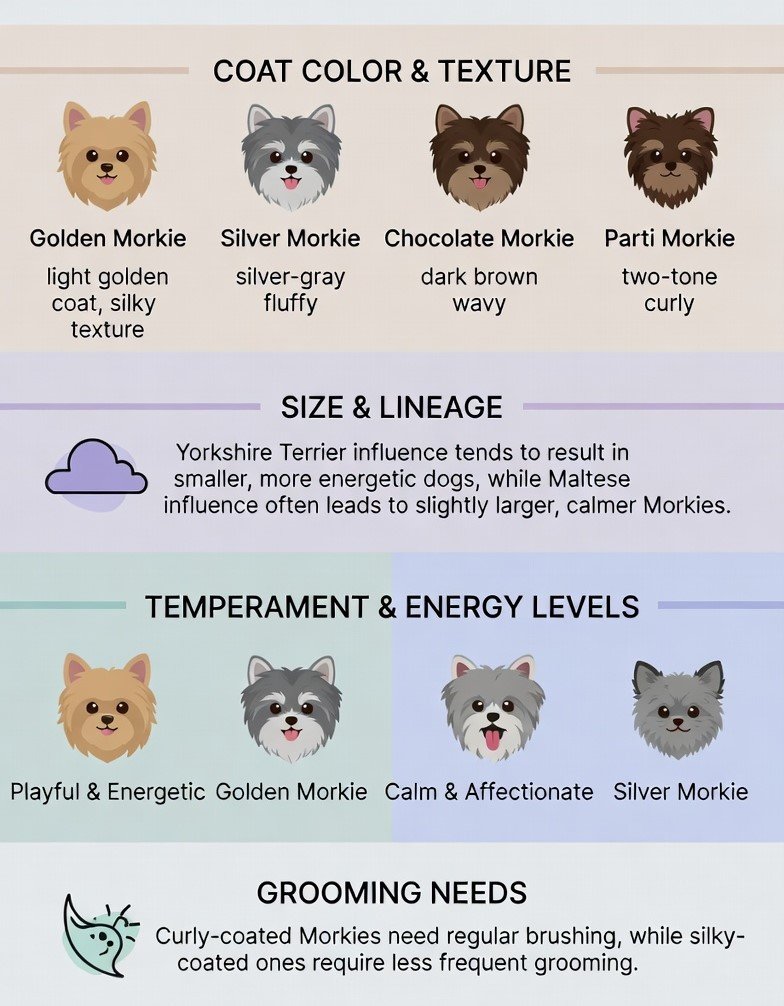
Morkies are a delightful hybrid breed, created by crossing a Yorkshire Terrier with a Maltese. This combination produces a small, affectionate, and playful companion that often inherits the best traits from both parent breeds. Typically weighing between 4–8 lbs and standing 6–9 inches tall, Morkies are well-suited for apartment living or homes with limited space, though their small size means they require gentle handling to avoid injury. One of their most notable features is their long, silky coat, which can be straight, wavy, or slightly curly, and appears in a variety of colors including white, cream, tan, brown, black, or blends of these shades. Many Morkies have hypoallergenic coats, making them a good choice for allergy-sensitive households, but they still need regular grooming to prevent tangles and mats.
Breed Overview
Morkies are typically tiny, weighing between 4–8 lbs and standing about 6–9 inches tall. Their small frame makes them ideal for apartments and smaller living spaces, but it also requires extra care to prevent injury. One of their standout features is their long, silky coat, which is often hypoallergenic and comes in a variety of colors, including cream, tan, white, black, brown, or mixed shades.
Key characteristics include:
- Appearance: Soft, flowing coat that requires regular grooming to prevent mats and tangles.
- Lifespan: Generally 12–15 years, though healthy diet, exercise, and routine veterinary care can help extend their longevity.
- Health considerations: Morkies may be prone to dental issues, patellar luxation (knee problems), sensitive stomachs, and eye problems. Early preventive care and routine checkups are essential.
- Social nature: Morkies often bond deeply with their families and enjoy being part of daily activities.
Temperament & Personality
Morkies are known for their affectionate and lively personalities. They are highly loyal to their owners and often follow them around the house, craving attention and companionship. Their small size does not limit their big personality—they love to be involved, can be quite vocal, and enjoy showing affection in playful and sometimes dramatic ways.
Important temperament traits:
- Attachment: Can develop separation anxiety if left alone for long periods; gradual training and socialization help.
- Trainability: Highly intelligent and responsive to positive reinforcement techniques, such as treats, praise, and interactive play.
- Social skills: Usually friendly with other pets and children if properly socialized from a young age.
- Behavior quirks: May show stubborn streaks, and some Morkies inherit a Yorkie’s protective instincts, making early socialization and exposure to new experiences crucial.
- Playfulness: Loves games, fetching, and mental challenges that stimulate their curiosity and energy.
Energy Level & Lifestyle Needs
Despite their small size, Morkies are energetic dogs who enjoy short bursts of play throughout the day. They don’t require long walks like larger breeds but thrive on frequent mental and physical stimulation. Their tiny bodies are sensitive to temperature extremes, so outdoor play in very hot or cold weather should be limited.
Lifestyle considerations include:
- Exercise: Several short play sessions or brief walks daily are sufficient to keep them happy and healthy.
- Mental stimulation: Puzzle toys, training sessions, and interactive games help prevent boredom and destructive behaviors.
- Companionship: Morkies do best in homes where someone is present for most of the day, as loneliness can lead to anxiety and behavioral issues.
- Adaptability: Can thrive in apartments or small homes, provided they receive attention, social interaction, and mental engagement.
- Grooming needs: Regular brushing, ear cleaning, and occasional professional grooming are necessary to maintain a healthy coat and skin.
Key Takeaways for Owners
Understanding your Morkie’s breed traits is the first step to providing excellent care. These small but spirited dogs require:
- Consistent attention and companionship
- Proper grooming and coat maintenance
- Balanced nutrition and routine veterinary care
- Positive reinforcement training and mental stimulation
- Awareness of potential health and behavioral issues
By recognizing their unique personality, energy patterns, and lifestyle needs, you can create a nurturing environment where your Morkie thrives—healthy, happy, and fully engaged with their family.
Daily Care Essentials
Caring for a Morkie involves more than just feeding and walks—it’s about creating a structured, nurturing routine that supports their physical health, mental well-being, and emotional happiness. A daily care plan from morning to night ensures your Morkie stays healthy, engaged, and comfortable.
Nutrition & Feeding
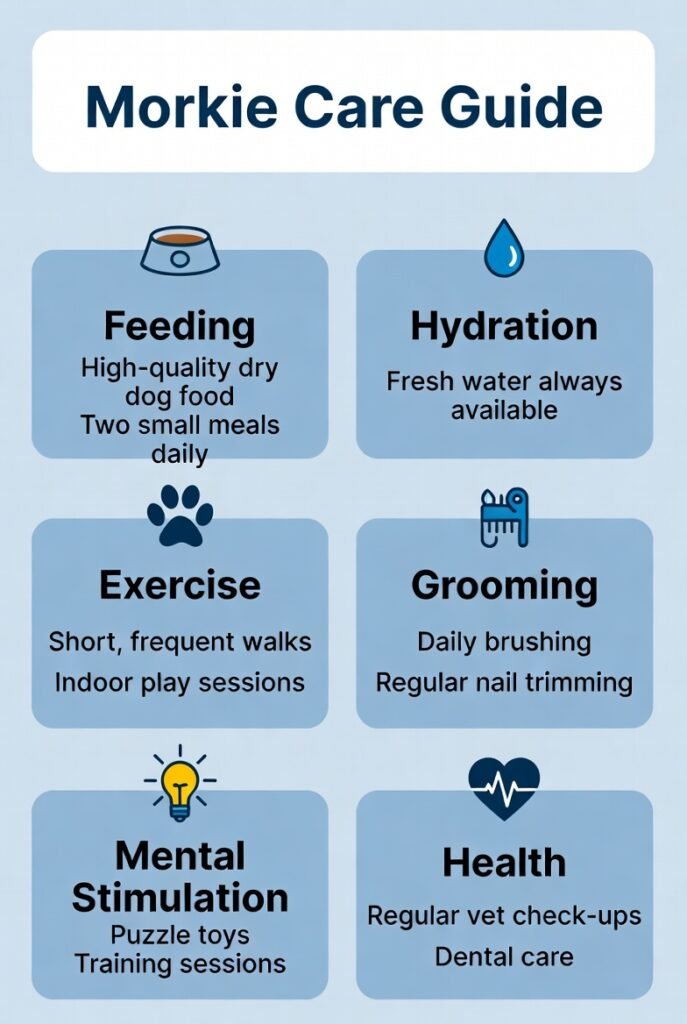
Proper nutrition is the foundation of a healthy Morkie. Due to their small size and fast metabolism, Morkies benefit from multiple small meals throughout the day rather than one large feeding. A typical feeding schedule might include breakfast, lunch, and dinner, with the option of healthy treats in between. Small-breed dog food formulas are ideal, as they are specifically designed to meet the caloric and nutritional needs of tiny dogs and come in appropriately sized kibble.
Portion control is essential to prevent obesity, which Morkies are prone to due to their compact size. Owners should follow weight-based feeding guidelines provided on packaging and adjust based on activity level, age, and metabolism. Safe foods include lean meats, certain vegetables, and specially formulated dog treats, while chocolate, grapes, onions, and fatty human foods should always be avoided. Hydration is equally important, so fresh, clean water should be available at all times.
Exercise & Physical Activity
Although Morkies are small, they have bursts of energy that require daily activity to stay healthy and happy. Ideal exercise for a small breed includes 15–30 minutes of play spread throughout the day, depending on age and energy level. Suitable activities include short walks, indoor fetch, gentle tug games, or supervised outdoor exploration. Avoid over-exertion, as Morkies’ tiny legs and delicate joints can be easily strained.
Daily walks not only provide physical exercise but also support mental stimulation, socialization, and routine. Even a few minutes of leash walking outside exposes your Morkie to new sights, sounds, and smells, helping reduce anxiety and boredom. Outdoor play should be monitored in extreme temperatures, as small breeds are sensitive to both heat and cold.
Mental Stimulation
Mental engagement is as important as physical activity for Morkies. Without it, they may develop boredom-related behaviors such as excessive barking, chewing, or attention-seeking. Puzzle toys, treat-dispensing toys, and scent-based games are excellent ways to challenge their minds and satisfy their curiosity. Simple indoor training games, such as hide-and-seek or basic obedience exercises, provide both stimulation and bonding opportunities.
Incorporating mental activities into your Morkie’s day helps prevent destructive habits, reinforces training, and keeps their intelligence sharp. Even a few minutes of focused play or training multiple times a day can significantly enhance their overall well-being.
Comfort & Rest
Rest is critical for a small dog with high energy like the Morkie. Providing a cozy, secure sleeping area, such as a soft dog bed or crate in a quiet corner, helps your Morkie feel safe and comfortable. A consistent daily schedule, including regular mealtimes, play sessions, and rest periods, reduces stress and promotes a sense of stability.
Creating a low-stress environment involves limiting loud noises, maintaining a predictable routine, and offering reassurance when needed. Small touches, such as blankets, toys, or familiar scents, can make their resting space more inviting. Adequate rest supports healthy growth, energy management, and emotional balance, ensuring your Morkie wakes up ready for play and interaction.
Grooming & Hygiene Care
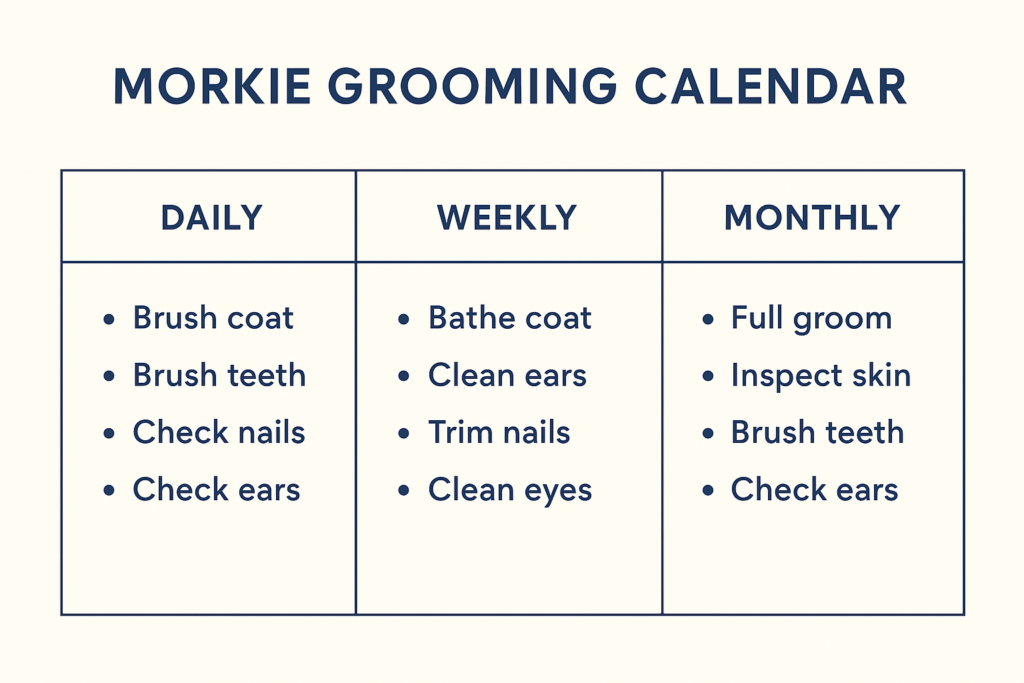
Morkies are small, delicate dogs with long, silky coats and sensitive skin, which makes grooming and hygiene a vital part of their overall care. Regular grooming not only keeps them looking their best but also promotes health, prevents infections, and strengthens the bond between you and your pet. A consistent routine addresses coat maintenance, dental health, nail care, and eye and ear hygiene, helping your Morkie stay comfortable and happy.
Coat Care
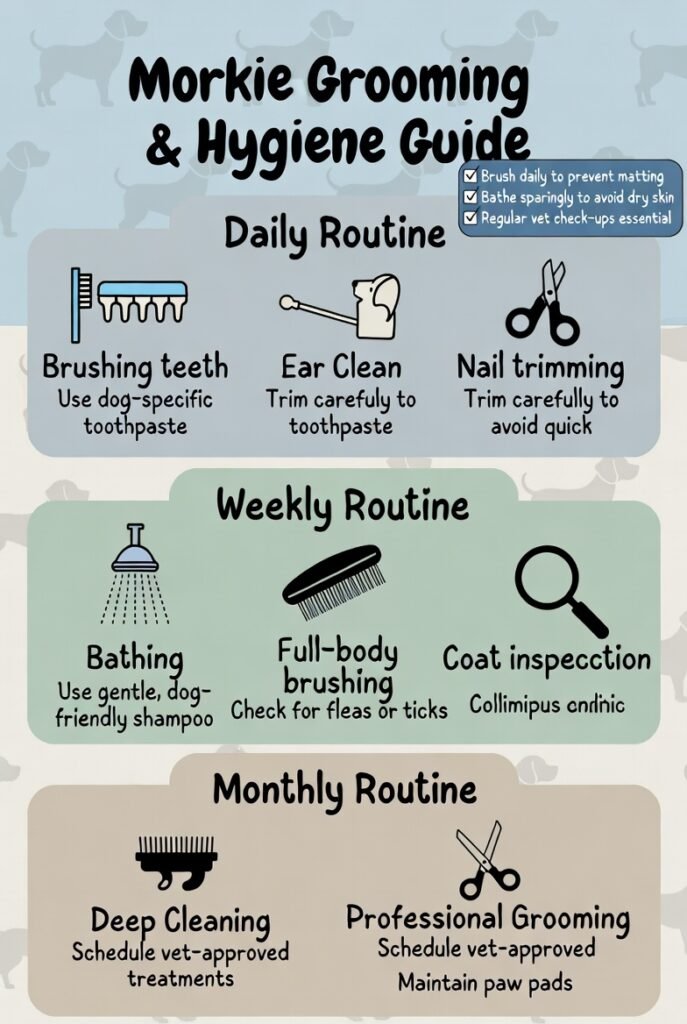
Daily brushing is essential for Morkies due to their fine, silky hair, which is prone to tangles, mats, and debris accumulation. Brushing removes loose hair, stimulates circulation, and distributes natural oils for a healthy, shiny coat. Essential tools include a slicker brush for detangling, a fine-toothed comb for finishing touches, and a detangling spray to make brushing smoother and reduce breakage.
Morkie owners can choose between a natural long coat, which showcases the breed’s elegance but requires meticulous maintenance, or a shorter “puppy cut,” which is easier to manage and less prone to mats. Regular trimming around the face, ears, paws, and sanitary areas improves comfort, hygiene, and mobility. Skipping coat care can lead to painful mats, skin infections, and difficulty walking.
Additional coat care tips:
- Section the hair while brushing to ensure no areas are missed.
- Check for parasites like fleas or ticks during grooming.
- Consider professional grooming every 6–8 weeks to maintain coat health.
Bathing Routine
Morkies typically need a bath every 3–4 weeks, depending on activity level and coat condition. Over-bathing can strip natural oils, leaving skin dry and irritated, while infrequent bathing may lead to odor, dirt buildup, and skin issues. Use a gentle, hypoallergenic shampoo designed for sensitive skin and follow with a conditioner if the coat is long or prone to tangling.
Additional bathing tips:
- Always use lukewarm water to prevent chilling.
- Rinse thoroughly to remove all shampoo and conditioner.
- Dry thoroughly using a soft towel or low-heat blow dryer to avoid dampness-related skin problems.
- Incorporate a brushing session immediately after bathing to prevent mats from forming.
Dental Hygiene
Small breeds like Morkies are especially prone to dental problems, including tartar buildup, gum disease, and early tooth loss. Daily brushing with a dog-safe toothbrush and toothpaste is essential. Complement brushing with dental chews, water additives, or toys designed to reduce plaque and tartar. Poor dental care can lead to serious health issues, including heart, kidney, and liver problems, as bacteria from the mouth can enter the bloodstream.
Additional dental care tips:
- Begin brushing gradually to help your Morkie get used to the routine.
- Monitor for signs of dental pain, bad breath, or bleeding gums.
- Offer crunchy treats or chews that encourage natural teeth cleaning.
Ear, Eye & Nail Care
Morkies’ small ears, expressive eyes, and tiny nails require regular attention to prevent discomfort and infections.
- Ears: Clean weekly with a vet-approved solution to remove wax and debris. Avoid inserting cotton swabs deep into the ear canal. Look for redness, odor, or swelling that may indicate infection.
- Eyes: Tear stains are common in Morkies. Wipe the area daily with a damp, soft cloth or pet-safe wipe to prevent staining and irritation. Check for redness or excessive discharge, which may signal an underlying issue.
- Nails: Trim nails every 3–4 weeks, depending on activity level. Overgrown nails can cause pain, affect walking, or lead to joint strain. Use small dog nail clippers and avoid cutting the quick. If unsure, a professional groomer or veterinarian can help.
Additional grooming points:
- Clean paw pads regularly to remove dirt and debris, and moisturize if they appear dry or cracked.
- Inspect the skin for lumps, bumps, rashes, or parasites during grooming sessions.
- Maintain a grooming journal to track brushing, bathing, dental care, and nail trimming routines.
- Reward your Morkie with treats and praise to create a positive grooming experience.
By following a consistent grooming routine, Morkie owners can prevent many common health and hygiene problems, strengthen the bond with their pet, and ensure their dog remains comfortable, healthy, and happy.
Health & Wellness
Morkies are small, delicate dogs with unique health considerations that require proactive care. While generally healthy, they are prone to certain breed-specific issues, making early detection, prevention, and consistent care essential. Understanding common health risks, following preventative routines, and creating a safe home environment will help your Morkie thrive.
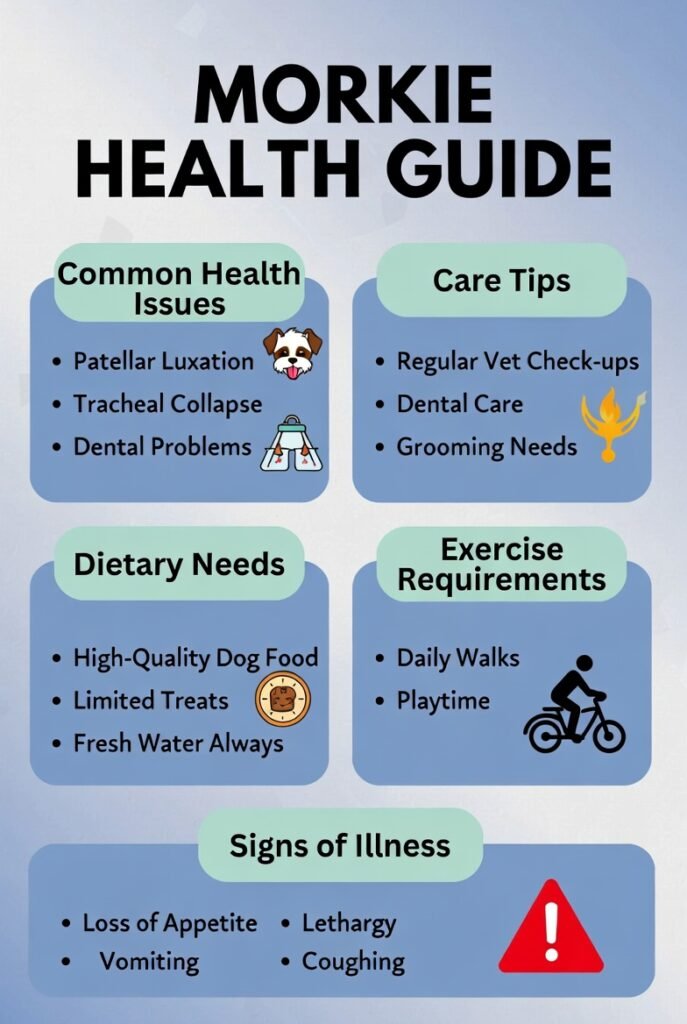
Common Morkie Health Issues
Morkies, a hybrid of Maltese and Yorkshire Terrier, are generally healthy dogs, but like all small breeds, they are prone to certain health concerns. Understanding these common issues can help owners provide the best care and catch potential problems early.
Hypoglycemia (Low Blood Sugar):
Small breeds like Morkies are prone to hypoglycemia, especially puppies. Symptoms include weakness, shaking, lethargy, drooling, or even seizures. Prevention involves frequent, small meals throughout the day, monitoring for signs of fatigue, and keeping sugary treats or glucose sources handy for emergencies.
Collapsing Trachea:
Morkies may develop a collapsing trachea, which makes breathing noisy or difficult. Signs include a honking cough, gagging, or labored breathing, particularly during excitement or exercise. Using a harness instead of a collar and avoiding high-impact activity can reduce stress on the trachea.
Luxating Patella (Knee Instability):
A luxating patella occurs when the kneecap slips out of place, causing intermittent limping or difficulty walking. Mild cases may only require monitoring, while severe cases could need veterinary intervention or surgery. Maintaining a healthy weight reduces pressure on joints and lowers the risk.
Sensitive Stomach & Digestive Issues:
Morkies often have delicate digestive systems, making them susceptible to vomiting, diarrhea, or food allergies. Feeding high-quality small-breed formulas, avoiding table scraps, and introducing dietary changes gradually can prevent gastrointestinal upset.
Dental Disease:
Small breeds are highly prone to dental problems, including plaque buildup, gum disease, and early tooth loss. Signs include bad breath, difficulty eating, or swollen gums. Daily brushing, dental chews, and regular professional cleanings are crucial for maintaining oral health.
Other Potential Concerns:
- Ear infections due to small, delicate ear canals
- Skin irritation or allergies
- Eye problems, such as tear staining or cataracts
Preventative Care Essentials
Preventative care is the cornerstone of Morkie health. Regular veterinary visits, vaccinations, and parasite control help prevent serious illnesses and detect issues early.
- Vaccination Schedule: Puppies require a series of vaccinations, including distemper, parvovirus, and rabies. Adult Morkies need regular boosters as recommended by their veterinarian.
- Deworming & Flea/Tick Prevention: Regular deworming and flea prevention protect against internal and external parasites, which can cause anemia, digestive upset, and skin irritation.
- Routine Vet Check-Ups: Scheduling check-ups at least once or twice a year ensures early detection of health issues, including dental disease, joint problems, and organ function.
- Weight Management: Maintaining a healthy weight prevents strain on joints, reduces the risk of hypoglycemia, and supports overall health.
- Spaying/Neutering: Consult your veterinarian about the optimal time for spaying or neutering, which can prevent certain reproductive and behavioral issues.
Safety at Home
Creating a safe home environment is essential for a small breed like the Morkie. Their tiny size and curious nature make them susceptible to accidents and environmental hazards.
- Toxic Plants & Foods: Common household plants (like lilies, philodendrons, and poinsettias) and human foods (chocolate, grapes, onions, etc.) can be dangerous. Keep these out of reach.
- Small Objects: Buttons, coins, rubber bands, or other small items can be choking hazards. Ensure your home is free of accessible small items.
- Temperature Safety: Morkies are sensitive to cold and heat. Provide warm blankets, clothing in cold weather, and avoid prolonged exposure to extreme temperatures.
- Safe Play Areas: Designate indoor play spaces that are free of sharp edges, stairs, or heavy furniture that could cause injury. Supervised play ensures safety while allowing them to burn energy.
- Car & Travel Safety: Use a secure dog carrier or harness when traveling in vehicles to prevent injury.
Additional Wellness Tips
- Grooming as Health Monitoring: Regular grooming sessions are also opportunities to check skin, coat, eyes, ears, and nails for abnormalities.
- Hydration: Always provide fresh water, particularly during play, warm weather, or after meals.
- Observation: Small changes in behavior, appetite, or energy can signal health issues. Prompt veterinary consultation is key.
- Social & Mental Health: Regular interaction, training, and play prevent behavioral problems and support emotional well-being.
By combining proactive health monitoring, preventative care, and a safe living environment, Morkie owners can significantly reduce the risk of illness and ensure their tiny companion enjoys a long, happy, and healthy life.
Training & Behavior Guidance
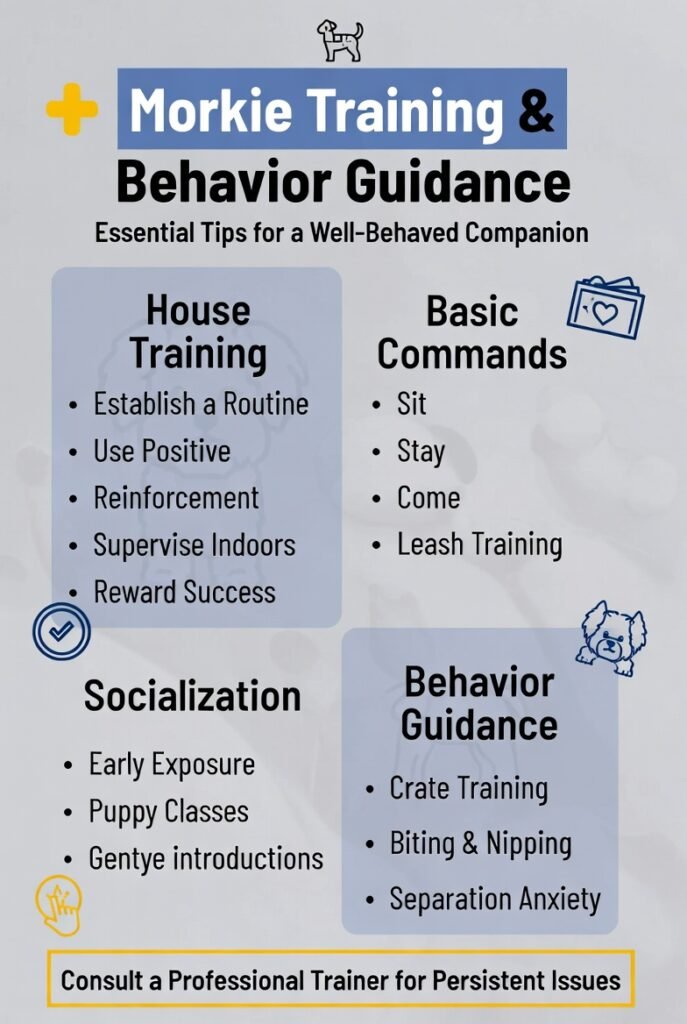
Training a Morkie requires patience, consistency, and positive reinforcement. As small, intelligent, and energetic dogs, Morkies respond best to gentle guidance and structured routines. The following sections outline key strategies for house training, teaching basic commands, and managing common behavioral challenges.
House Training
House training is one of the first priorities for Morkie owners. Due to their small size and sensitive bladders, accidents are common, but a structured approach can make the process smoother.
Crate Training for Small Breeds
Crate training is a highly effective tool for housebreaking Morkies. A properly sized crate provides a safe space while teaching bladder control. Key tips include:
- Use a crate slightly larger than the dog so they can stand, turn, and lie down comfortably.
- Never use the crate as punishment. It should always feel like a secure and positive environment.
- Gradually increase crate time, starting with short periods while rewarding calm behavior.
Potty Schedule
A consistent potty schedule is essential. Puppies should be taken out:
- First thing in the morning
- After meals and naps
- Before bedtime
- Every 1–2 hours during the day for very young puppies
Rewards-Based Reinforcement
Positive reinforcement works best for Morkies. Always praise, pet, or offer small treats immediately after the puppy eliminates in the correct spot. Avoid punishment, which can create fear and hinder training progress.
Basic Commands
Teaching basic commands is not only practical but also builds a strong bond with your Morkie. Early obedience training sets the foundation for a well-behaved adult dog.
Core Commands to Teach:
- Sit: A fundamental command that helps with impulse control.
- Stay: Teaches patience and self-control, crucial in busy households.
- Come: Vital for safety, ensuring your Morkie returns promptly when called.
- Down: Helps manage excitement and prevents jumping on furniture or people.
Consistency is Crucial for Small, Energetic Breeds
Morkies are intelligent but can become easily distracted. Consistent training cues, routines, and short sessions (5–10 minutes) maximize learning. Mixed signals can confuse your dog and slow progress.
Managing Behavioral Issues
Morkies are social and affectionate but can develop behavioral challenges if not properly guided. Early intervention and structured management can prevent long-term problems.
Preventing Excessive Barking
Small dogs often bark more, but training can curb this habit. Strategies include:
- Identifying triggers (doorbells, strangers, other pets)
- Teaching a “quiet” command with positive reinforcement
- Avoiding unintentional reinforcement of barking through attention
Handling Separation Anxiety
Morkies can become overly attached, leading to stress when left alone. Tips to reduce anxiety:
- Gradually increase alone time in small increments
- Use interactive toys or puzzles to distract your dog
- Keep departures and arrivals low-key to avoid heightening stress
Socializing with People and Other Pets
Proper socialization ensures your Morkie is confident and well-behaved around strangers, children, and other animals.
- Introduce new experiences early, in a controlled and positive way
- Reward calm behavior during interactions
- Supervise interactions with smaller children or unfamiliar pets
Reducing Clinginess
While Morkies are naturally affectionate, over-attachment can lead to behavioral issues. Encourage independence by:
- Providing a safe space (crate or bed) for alone time
- Avoiding excessive coddling when the dog seeks attention
- Incorporating brief, daily periods of independent play
Pro Tips for Morkie Training
To make training more effective and enjoyable, here are some practical tricks tailored for Morkies:
- Short, Frequent Training Sessions – Morkies have short attention spans. Break training into 5–10 minute sessions multiple times a day to maintain focus.
- Use Tiny Treats – Small, soft treats work best. Overfeeding can easily lead to weight gain in small breeds.
- Incorporate Play – Mix training with playtime. For example, reward a “sit” command with a quick game of fetch to reinforce learning.
- Redirect Jumping – Teach “off” or “place” commands to stop jumping on people. Reward calm behavior instead of scolding.
- Grooming Training – Start grooming sessions young. Reward calm behavior during brushing, nail trimming, and ear cleaning to prevent future resistance.
- Leash Familiarization – Small dogs can be sensitive to collars or harnesses. Introduce them gradually and make walks positive with treats and praise.
- Consistency Across Household – All family members should use the same commands and routines. Conflicting instructions confuse small dogs and slow progress.
- Crate Comfort – Make the crate inviting with soft bedding and toys. Occasional feeding inside the crate encourages a positive association.
- Positive Social Reinforcement – Praise your Morkie for polite interactions with other pets and strangers to build confidence and curb fear-based behaviors.
With patience, consistency, and positive reinforcement, Morkies can learn quickly and develop into confident, obedient, and happy companions. Using these pro tips ensures training is both effective and enjoyable for you and your small dog.

Socialization Guidelines
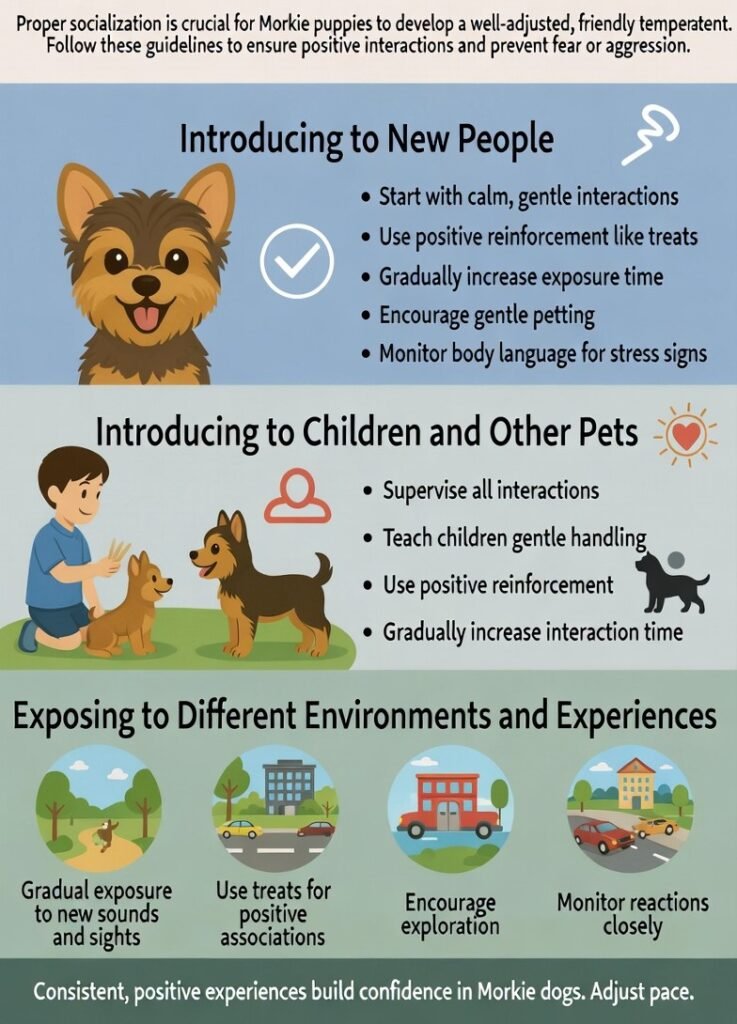
Proper socialization is a cornerstone of raising a confident and well-adjusted Morkie. These small, intelligent dogs are naturally curious but can also be sensitive or anxious if not introduced to new experiences early. Structured socialization helps prevent behavioral issues, promotes adaptability, and ensures your Morkie is comfortable in a wide range of environments.
Puppy Socialization Timeline
The most critical socialization period for Morkies occurs between three and twelve weeks of age, when puppies are highly impressionable. Positive experiences during this window can have a lifelong impact on their behavior. Socialization continues beyond this period, but the early weeks are essential for reducing fear of unfamiliar people, animals, and environments.
Introducing your puppy to new environments should begin in calm, controlled areas such as your home, backyard, or a quiet park. Once your puppy becomes comfortable, gradually progress to busier places like sidewalks with foot traffic, pet-friendly stores, or outdoor cafes. Varying environments exposes your puppy to different lighting, smells, and spatial layouts, which builds confidence.
Exposure to sounds and textures is equally important. Household noises such as vacuum cleaners, washing machines, and doorbells should be introduced at a low volume initially and gradually increased to prevent startling. Outdoor noises like traffic, sirens, or lawnmowers should also be introduced in short, positive sessions. Walking on different surfaces—carpet, tile, hardwood, grass, gravel, and sand—helps your puppy develop balance and confidence. Pair each new experience with treats, praise, or gentle play to create positive associations. Overwhelming your puppy with too much at once can be counterproductive, so short, frequent exposure is ideal.
Meeting Other Pets
Morkies are social dogs, but their small size makes interactions with other animals delicate. Proper introductions are essential to prevent fear or injury. Begin by introducing your Morkie and the other pet in a neutral space to reduce territorial behavior. Keeping both animals on leashes during initial encounters allows you to manage interactions safely and guide your puppy’s behavior. Reward calm and polite behavior with treats and praise. Start with brief sessions and gradually increase the time together as both pets become more comfortable.
Setting boundaries is important to protect your Morkie. Monitor play closely to prevent accidental injury, and teach your dog commands such as “leave it,” “gentle,” and “come” to manage interactions. If play becomes too rough or either animal shows stress, separate them and try again later. Early exposure to other dogs and cats promotes confidence, reduces fear-based aggression, and encourages appropriate social behavior. Supervised playdates with vaccinated, calm, and well-mannered pets can be especially beneficial for young Morkies.
Morkies and Children
Morkies can form strong bonds with children, but their tiny size makes careful handling essential. Teaching kids how to interact with the puppy gently is crucial. Children should learn to pet softly, support the dog’s body when picking them up, and move slowly and calmly around the puppy. Role-playing with toys or demonstrating correct handling before interacting with the dog can be very effective.
Avoiding accidental injuries is a top priority. Never leave a Morkie unsupervised with very young children. Providing a safe space, such as a crate or gated area, gives your puppy a retreat when overwhelmed. Games that involve rough play, wrestling, or tug-of-war should be avoided, as these activities can unintentionally harm a small dog. Teaching children to respect the puppy’s space and rewarding positive interactions helps ensure that your Morkie feels safe and confident around kids.
Advanced Socialization Tips
Creating positive associations with new experiences is key to successful socialization. Pairing every new encounter with treats, praise, or play helps your Morkie form confident and positive associations. Introduce new stimuli gradually rather than all at once to prevent overwhelm, and maintain consistent exposure to people, pets, sounds, and environments.
Observing your puppy’s body language is crucial; signs of stress such as trembling, lip licking, yawning, or hiding indicate that you should pause or step back. Socialization is an ongoing process, and even after the critical period, continued exposure to new experiences ensures your Morkie remains confident, adaptable, and friendly throughout life.
Early, positive, and structured socialization helps Morkies develop into confident, happy, and adaptable companions. Introducing them to a variety of environments, sounds, textures, pets, and children with care and patience ensures they grow into well-rounded dogs capable of handling everyday life with ease.
Helpful Online Resources & Tools
Tips to keep your Morkie Happy and Healthy.
Keep your Morkie happy, healthy, and entertained with our curated online resources. From video tutorials to community support, these guides make pet care simple and effective.
Video Tutorials
Learn to groom, feed, and engage your Morkie with step-by-step video guides for brushing, nail trimming, and interactive play.
Watch Now →Downloadable Checklists
Printable checklists for feeding schedules, playtime, and grooming routines to keep your Morkie’s care organized.
Download →Community Advice
Join forums to share experiences, ask questions, and learn tips from fellow Morkie owners and enthusiasts.
Join Forum →Recommended Apps
Discover apps for feeding schedules, training reminders, and remote monitoring to simplify Morkie care anytime.
Explore Apps →
Common Challenges in Morkie Care
Morkies are small, intelligent, and affectionate dogs, but their size and hybrid nature can bring unique challenges. Understanding these common issues allows owners to proactively manage them, ensuring a happy and healthy pet.
Separation Anxiety: Signs & Solutions
Morkies are highly social and form strong bonds with their owners. This affection can sometimes lead to separation anxiety when they are left alone. Signs include excessive barking, whining, pacing, destructive behavior, drooling, and attempts to escape confined spaces. Some Morkies may even soil the house out of stress.
Solutions: Managing separation anxiety requires patience and consistency. Start by leaving your Morkie alone for very short periods, gradually increasing the duration as they become more comfortable. Providing interactive toys, puzzle feeders, or calming scents can reduce stress. Establishing a predictable routine helps your dog feel secure, and keeping departures and arrivals low-key prevents heightened anxiety. In severe cases, consult a veterinarian or certified behaviorist for guidance, as behavioral therapy or anti-anxiety aids may be necessary.
Feeding Mistakes: Overfeeding and Underfeeding
Due to their tiny size, Morkies are prone to weight fluctuations that can impact their overall health. Overfeeding can lead to obesity, which increases the risk of joint problems, heart disease, and diabetes. Underfeeding, on the other hand, can result in malnutrition, lethargy, and delayed growth in puppies.
Solutions: Feed a high-quality, small-breed dog food formulated for their energy level. Measure portions carefully according to age, weight, and activity level, and avoid giving excessive treats or human food. Establish a consistent feeding schedule—usually 2–3 meals per day for adults and 3–4 meals for puppies—and monitor body condition regularly. Consulting your veterinarian for portion guidelines is highly recommended, especially for growing puppies.
Excessive Barking Triggers
Morkies are alert and intelligent, but their small size can make them prone to excessive barking. Common triggers include unfamiliar people, animals, noises, boredom, or seeking attention. While barking is natural, persistent or uncontrolled barking can become a nuisance and stress the dog.
Solutions: Identify the triggers and work on desensitization gradually. Training commands such as “quiet” or “enough” paired with positive reinforcement are effective. Providing sufficient mental stimulation, physical exercise, and interactive toys helps reduce boredom-related barking. Avoid unintentionally reinforcing barking by giving attention only when the dog is calm.
Handling Health Problems Remotely
Morkies are susceptible to common small-breed health issues like patellar luxation, tracheal collapse, dental problems, and hypoglycemia. For owners who may travel, work long hours, or live far from a veterinarian, managing health issues remotely can be challenging.
Solutions: Regular check-ups and establishing a relationship with a local veterinarian are essential. Keep detailed medical records, including vaccination history, medications, and previous treatments. Telemedicine consultations can be used for minor concerns, but any signs of distress, unusual behavior, or acute symptoms should prompt an in-person visit immediately. Preventive care, such as maintaining a healthy weight, routine dental cleaning, and monitoring for signs of illness, reduces emergency situations.
Tips for Preventing Accidents in Tiny Dogs
Morkies’ small size makes them vulnerable to injuries and household accidents. Falls from furniture, stepping on small objects, or rough handling can easily result in fractures or sprains. Puppies are especially prone to tripping over obstacles or getting into harmful situations due to their curiosity.
Solutions: Ensure that your home is safe and puppy-proofed. Use baby gates to restrict access to stairs or high surfaces, remove small items that could be swallowed, and supervise interactions with children or larger pets. Encourage gentle handling, provide ramps for furniture if necessary, and create a safe play area. Regular exercise in a controlled environment helps maintain coordination and reduces the risk of falls.
While Morkies are loving and energetic companions, they require careful attention due to their size, intelligence, and sensitive nature. By understanding challenges like separation anxiety, feeding mistakes, excessive barking, health monitoring, and accident prevention, owners can create a safe, nurturing, and balanced environment for their Morkie.
FAQs Section
This section addresses some of the most common questions Morkie owners have, offering practical guidance for raising a happy, healthy, and well-adjusted Morkie.
How Often Should a Morkie Eat?
Can Morkies Be Left Alone?
What Toys Work Best for Small Breeds?
How Do I Prevent Stress or Anxiety?
How Much Exercise Do They Need?
Do Morkies Shed?
Conclusion
Raising a Morkie is a rewarding experience, but it comes with unique responsibilities due to their small size, hybrid nature, and energetic personalities. One of the most important factors in ensuring a happy, healthy Morkie is consistency in care. Establishing regular routines for feeding, potty breaks, exercise, and training helps your dog feel secure, reduces anxiety, and encourages predictable behavior. Consistent care also allows you to quickly identify any changes in health or mood, enabling timely intervention when needed.
Proper grooming, nutrition, training, and enrichment all play a critical role in raising a well-balanced Morkie. Regular grooming prevents matting and skin issues, while dental care supports overall health. A balanced, measured diet tailored to small breeds ensures they maintain a healthy weight and energy level. Structured training and socialization build confidence, reduce behavioral problems, and foster a strong bond between owner and dog. Mental and physical enrichment, through play, walks, and puzzle toys, prevents boredom and contributes to a happier, more content companion.
Finally, staying informed and connected as a Morkie owner makes a big difference. Free resources like guides, videos, and articles can provide ongoing support for new challenges that arise. Communities such as Morkie.net offer opportunities to share experiences, ask questions, and learn from other Morkie owners. Engaging with these resources ensures you have the knowledge and support needed to provide the best possible care for your furry friend.
With consistent care, proper grooming, nutrition, training, and enrichment, Morkies can thrive as lively, affectionate, and well-adjusted companions. By staying informed and connected, owners can enjoy a lifelong bond with a healthy, happy, and confident Morkie.