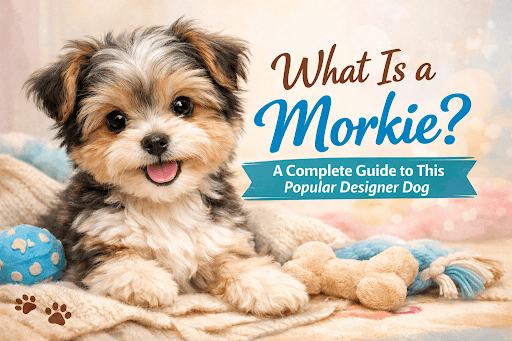
What Is a Morkie? A Complete Guide to This Popular Designer Dog
Small designer dogs have become increasingly popular among pet owners who want companionship without the demands of a large breed. Among these hybrids, the Morkie stands out for its balanced temperament, compact size, and strong attachment to people. This rising interest has led many potential owners to ask a simple but important question: what is a Morkie?
If you are trying to understand what is a Morkie, the simplest answer is that it is a small companion dog created by intentionally crossing a Maltese with a Yorkshire Terrier. This mix was developed to produce a dog that combines the affectionate nature of the Maltese with the lively personality of the Yorkshire Terrier, resulting in a friendly, people-focused pet that fits well into many households.
Morkies are especially appealing to those who live in apartments or smaller homes, as well as individuals or families looking for a dog that thrives on close human interaction. They are known for forming strong bonds with their owners, adapting well to different living environments, and maintaining a playful yet manageable energy level. These qualities have helped the Morkie earn a reputation as a reliable and loving companion rather than just a trendy designer dog.
In this guide, you will learn about the Morkie’s background, physical characteristics, personality traits, grooming and care needs, health considerations, and long-term expectations. By the end, you will have a clear and practical understanding of whether the Morkie is the right dog for your lifestyle and household.
Origins and Background of the Morkie
The Morkie was developed as part of a growing trend toward intentionally bred companion dogs designed to suit modern lifestyles. This hybrid did not emerge by accident; breeders deliberately combined two well-established small breeds to create a dog that could offer consistent companionship, manageable size, and an affectionate temperament. When people ask what is a Morkie mixed with, the answer lies in the careful pairing of the Maltese and the Yorkshire Terrier.
Both parent breeds bring distinct qualities to the mix. The Maltese has a long history as a companion dog, valued for its gentle nature, loyalty, and close bond with humans. Yorkshire Terriers, on the other hand, were originally bred for pest control but later became popular as confident, alert, and intelligent toy dogs. By crossing these two breeds, breeders aimed to balance the calm, people-oriented personality of the Maltese with the spirited and playful characteristics of the Yorkshire Terrier.
This intentional crossbreeding also explains why many people wonder what kind of dog is a Morkie in terms of temperament and purpose. Unlike working or sporting dogs, the Morkie was bred primarily to be a companion. Its role is not tied to herding, guarding, or hunting, but to providing emotional connection, adaptability, and enjoyment in a household setting. This focus on companionship has played a major role in the breed’s popularity among city dwellers, seniors, and families alike.
Morkies fall under the broader category of designer dogs, a term used to describe hybrid dogs created by crossing two purebred parents. Designer breeding aims to combine desirable traits from each parent breed, such as size, coat type, personality, or reduced shedding. While hybrid breeding does not guarantee uniform results, responsible breeders work to improve predictability in temperament and health through careful selection.
Understanding the origins of the Morkie helps explain both its strengths and its variability. Because the breed is a mix rather than a standardized purebred, individual Morkies may differ slightly in appearance or behavior depending on which parent traits are more dominant. However, their background as an intentionally bred companion dog remains consistent, shaping the Morkie into the affectionate, adaptable pet that so many owners value today.

Blue Buffalo Nudges Chicken Jerky Bites Dog Treats (16-oz)
Made with real USA-raised chicken, these tender, oven-dried jerky treats deliver a delicious, meaty flavor dogs love while being easy to tear for all breed sizes. Crafted in the USA with wholesome, natural ingredients, they contain no by-product meals, corn, wheat, soy, artificial flavors, or preservatives.
🛒 Buy from AmazonBreed Classification and Recognition
One of the most common questions potential owners ask is whether the Morkie is considered an official breed. This curiosity is understandable, as many people want to know where the Morkie fits within traditional dog classifications before bringing one home. When discussing what is a Morkie dog breed, it is important to understand the distinction between purebred dogs and hybrid or designer dogs.
Purebred dogs are bred from parents of the same breed and follow established standards set by major kennel clubs. These standards define everything from appearance and size to temperament and movement. Morkies, however, are the result of crossing two different purebred dogs, which places them in the category of hybrid dogs rather than purebreds. Because of this, there is no single universal standard that applies to all Morkies, and individual dogs may vary in appearance or personality.
This hybrid classification is the primary reason why major kennel clubs do not formally recognize Morkies as an official breed. Organizations such as the American Kennel Club focus on maintaining consistent breed standards that can be reproduced across generations. Since Morkies are intentionally mixed and can inherit traits from either parent, they do not meet the strict criteria required for full recognition. This lack of recognition does not reflect on the quality or desirability of the dog, but rather on how breed registries define and regulate purebred lines.
Despite not being formally recognized by traditional kennel clubs, Morkies are still widely accepted within the companion dog community. Many hybrid and designer dog registries acknowledge Morkies and track their lineage for informational purposes. For most owners, official recognition is far less important than temperament, health, and compatibility with their lifestyle, all areas where Morkies often excel.
Understanding breed classification helps set realistic expectations for potential owners. While the Morkie may not come with an official pedigree recognized by major kennel organizations, it remains a deliberately bred companion dog valued for its affectionate nature and adaptability. Knowing this distinction allows owners to focus on responsible breeding, proper care, and long-term commitment rather than formal labels.
Physical Appearance and Size
The physical appearance of a Morkie can vary, but there are several common traits that help people understand what to expect when learning what is a Morkie dog in terms of looks and size. As a small companion dog, the Morkie is known for its compact build, expressive features, and soft coat, making it an appealing choice for those who prefer toy-sized breeds.
General Size and Weight
Morkies are considered toy dogs and typically remain small throughout their lives. Most adult Morkies fall within the following range:
- Height: Approximately 6 to 10 inches at the shoulder
- Weight: Usually between 4 to 10 pounds
- Build: Lightweight with a delicate but well-proportioned body
Their small size makes them easy to handle and well-suited for apartment living, while still being sturdy enough for regular play and daily activity.
Body Structure and Facial Features
The Morkie’s body structure reflects a blend of its parent breeds. Common physical traits include:
- A compact, balanced frame
- A slightly rounded head with a short to medium-length muzzle
- Bright, alert eyes that give an expressive and curious appearance
- Small ears that may stand upright or fold slightly, depending on genetics
These features contribute to the Morkie’s recognizable “teddy bear” look, which many owners find especially charming.
Coat Texture and Color Variations
One of the most noticeable aspects of a Morkie is its coat. Coat characteristics can vary, but commonly include:
- Texture: Soft, silky, or slightly wavy
- Length: Medium to long, often requiring regular grooming
- Shedding: Generally low, though not completely non-shedding
Color variations are wide due to the mixed lineage and may include:
- Black and tan
- White and cream
- Silver, brown, or mixed shades
Some Morkies may change color slightly as they mature, which is a common trait inherited from the Yorkshire Terrier side.
Why Appearance Can Vary
Because the Morkie is a hybrid dog, its appearance is not standardized. Individual dogs may lean more toward one parent breed than the other, resulting in differences in:
- Coat thickness and length
- Body shape and facial structure
- Ear position and tail carriage
This genetic variation means no two Morkies look exactly alike, even within the same litter. While this lack of uniformity differs from purebred dogs, it also adds to the unique charm of the Morkie.
Overall, when people ask what is a Morkie dog supposed to look like, the best answer is a small, well-proportioned companion dog with a soft coat and expressive features. While individual appearances may differ, Morkies consistently maintain a compact size and an endearing presence that makes them easy to recognize and hard to resist.
Temperament and Personality Traits
The Morkie is widely known for its engaging personality and strong attachment to people. Understanding temperament is essential when deciding if this breed is the right fit, and it often helps answer the question many owners ask about what kind of dog is a Morkie in everyday life. Overall, Morkies are affectionate, alert, and eager to be involved in their owner’s daily routine.
Affectionate and Loyal Companions
Morkies are highly people-oriented dogs and tend to form deep emotional bonds with their owners. Common traits include:
- A strong desire for human companionship
- Enjoying cuddling, lap time, and close contact
- Following owners from room to room
- Showing loyalty to one primary caregiver while still being friendly with others
Because of this strong attachment, Morkies do best in homes where they are not left alone for long periods.
Playful Yet Balanced Energy
Despite their small size, Morkies have a lively and playful personality. However, their energy level is generally manageable rather than overwhelming. Typical behaviors include:
- Enjoying short play sessions throughout the day
- Responding well to interactive toys and games
- Being energetic indoors without requiring intense outdoor exercise
This balanced energy level makes them well-suited for both active and relaxed households.
Suitability for Different Lifestyles
Morkies adapt well to a variety of living situations, which contributes to their popularity. They are commonly a good match for:
- Families: When properly socialized, they can be gentle and affectionate
- Seniors: Their size and exercise needs are easy to manage
- Apartment dwellers: Small space requirements and moderate activity levels
As long as their emotional and social needs are met, Morkies tend to thrive in smaller homes and urban environments.
Behavior Around Children and Other Pets
Social behavior can vary slightly depending on training and early exposure, but Morkies are generally friendly when raised in the right environment. Key points include:
- They can do well with older, respectful children
- Supervision is recommended around very young children due to the dog’s small size
- Early socialization helps reduce shyness or excessive barking
- They often get along with other dogs and pets when introduced gradually
Because they are small and sensitive, gentle handling and positive interactions are especially important.
Alertness and Watchdog Tendencies
Morkies are naturally alert and aware of their surroundings. This trait often results in:
- Noticing unfamiliar sounds quickly
- Barking to alert owners of visitors
- Acting as effective little watchdogs without being aggressive
With proper training, this alertness can be managed to prevent excessive barking.
Overall, the Morkie’s temperament reflects its purpose as a companion dog. Affectionate, adaptable, and people-focused, the breed fits well into many households. For those wondering what kind of dog is a Morkie in terms of personality, the answer is a loving and loyal companion that thrives on human connection and consistent interaction.
Puppy Development and Early Behavior
Understanding a Morkie’s development from puppyhood to adulthood is essential for new or prospective owners. Many people are curious about what is a Morkie puppy like, and knowing their growth stages, energy levels, and behavior patterns can help set realistic expectations for training and daily care.
Growth Stages from Puppyhood to Adulthood
Morkie puppies grow quickly in their first months but continue to develop both physically and emotionally over the first year of life:
- Neonatal Stage (0–2 weeks): Puppies are entirely dependent on their mother, with eyes and ears closed and limited mobility.
- Transitional Stage (2–4 weeks): Eyes open, sense of hearing develops, and puppies begin to explore their environment slightly.
- Socialization Stage (4–12 weeks): Critical period for introducing gentle handling, exposure to sounds, and early social interaction. Puppies start showing personality traits.
- Juvenile Stage (3–6 months): Rapid growth, high energy levels, and early training opportunities; teeth begin to change from milk to adult teeth.
- Adolescence (6–12 months): Energy may spike, and behavioral testing occurs as the puppy gains independence; consistent training becomes essential.
During these stages, careful observation and gentle guidance ensure that Morkies develop into well-adjusted adult dogs.
Early Behavior and Energy Levels
Morkie puppies are naturally curious, playful, and eager to interact with humans. Key behavioral traits include:
- High curiosity and exploratory behavior
- Short bursts of energy followed by frequent naps
- Playful biting or mouthing, which requires redirection
- Desire for attention and companionship, sometimes leading to clinginess
Because of their small size, early monitoring and safe play areas are important to prevent accidents during high-energy phases.
Training Challenges and Early Habits
Morkie puppies are intelligent, but like many small breeds, they can be a little stubborn at times. Some common early challenges include:
- House training: Small bladders require frequent potty breaks; patience is essential
- Biting and chewing: Teething can lead to nipping; chew toys help redirect behavior
- Separation anxiety: Puppies may become distressed when left alone; gradual training can build confidence
- Basic obedience: Short, positive reinforcement sessions work best due to limited attention span
Consistency, gentle correction, and rewards are key to overcoming these challenges.

Attention Needs and Socialization
Early socialization is crucial for a Morkie puppy. Introducing your puppy to new people, pets, and environments helps build confidence and reduces fear-based behaviors in adulthood. Morkies thrive on interaction, so providing both mental stimulation and physical play is essential during this stage.
- Short training sessions multiple times per day
- Gentle exposure to different household sounds and visitors
- Positive reinforcement to encourage calm behavior and social confidence
By understanding what is a Morkie puppy like, owners can anticipate their developmental needs and set the foundation for a healthy, well-behaved adult dog.
Grooming, Coat Care, and Maintenance
The Morkie’s adorable appearance is complemented by a coat that requires attention and care. Proper grooming not only keeps them looking their best but also supports their overall health and comfort. Understanding grooming requirements is especially important for prospective owners considering how a Morkie will fit into their lifestyle.
Grooming Frequency and Brushing Needs
Morkies typically have a soft, silky coat that can be either straight or slightly wavy. Due to their hybrid genetics, coat maintenance can vary between individual dogs, but general recommendations include:
- Daily or every-other-day brushing to prevent tangles and mats
- Regular checks for debris or knots, particularly around the ears, underarms, and hindquarters
- Occasional trimming to maintain a manageable length, especially around the face and paws
Frequent brushing also helps distribute natural oils throughout the coat, keeping the skin healthy and reducing the risk of irritation.
Professional Grooming vs. At-Home Care
While routine brushing can be done at home, many Morkie owners choose professional grooming for more thorough care. Professional grooming can include:
- Hair trimming or styling
- Bathing with appropriate gentle dog shampoos
- Nail clipping and ear cleaning
- Teeth brushing and checking for oral health issues
At-home care complements professional grooming, ensuring the coat stays clean, soft, and free from tangles between grooming sessions.
Coat Shedding Levels
Morkies are generally considered a low-shedding breed, which makes them suitable for households where excessive hair can be a concern. Key points about their shedding include:
- Minimal loose hair compared to larger breeds
- Regular brushing reduces shedding further and keeps the coat smooth
- Occasional seasonal shedding may occur depending on individual genetics
Even with low shedding, grooming should never be neglected, as neglected coats can develop mats that are uncomfortable and may lead to skin problems.
Lifestyle Considerations for Owners
Caring for a Morkie’s coat requires a time commitment and some attention to detail. Potential owners should consider:
- Time availability: Daily or frequent brushing requires consistent effort
- Professional grooming access: Regular visits every 6–8 weeks are recommended
- Activity level: Active dogs may need extra baths or coat cleaning after outdoor play
- Household environment: Small spaces or indoor living may reduce dirt accumulation but do not eliminate brushing needs
For owners willing to maintain this routine, grooming a Morkie can be a manageable and rewarding part of bonding with their dog.
Training, Exercise, and Mental Stimulation
Despite their small size, Morkies are intelligent, energetic, and highly trainable dogs. Understanding their physical and mental needs is essential to raising a happy, well-behaved companion. While small, Morkies require consistent guidance, daily activity, and mental enrichment to thrive.

Intelligence and Trainability
Morkies inherit intelligence from both parent breeds, making them quick learners who respond well to positive reinforcement. Key points about their trainability include:
- They can learn basic commands quickly, such as sit, stay, and come
- They are eager to please when motivated by treats or praise
- Early training helps prevent behavioral issues like excessive barking or stubbornness
- Patience and consistency are essential, as Morkies can have a slightly independent streak
Because of their intelligence, mental stimulation is just as important as physical exercise to prevent boredom.
Best Training Techniques
Successful Morkie training focuses on positive reinforcement and gentle guidance. Recommended approaches include:
- Short, frequent sessions: 5–10 minutes multiple times a day works best
- Reward-based training: Treats, praise, or playtime encourage learning
- Socialization: Early exposure to new people, pets, and environments reduces fearfulness
- Consistency: Establishing routines helps reinforce good habits
Harsh discipline should be avoided, as it can create anxiety or reluctance to learn.
Daily Exercise Needs
Although small, Morkies require daily exercise to maintain physical health and prevent restlessness. Their exercise needs are manageable, even for apartment living:
- Short walks: 20–30 minutes daily is generally sufficient
- Play sessions: Indoor or backyard play helps burn off energy
- Interactive toys: Fetch, tug, or puzzle toys encourage physical movement
These activities help balance energy levels and reduce the likelihood of destructive behaviors.
Mental Enrichment Activities
Because Morkies are intelligent, they benefit greatly from activities that challenge their minds. Mental stimulation helps prevent boredom and supports emotional well-being:
- Puzzle toys and treat-dispensing games
- Training new tricks or commands
- Scent-based games like hide-and-seek
- Rotating toys and interactive play to keep them engaged
Providing a combination of mental and physical activities ensures that your Morkie remains happy, confident, and well-adjusted.
Health Considerations and Common Concerns
When considering a Morkie, understanding the breed’s health is just as important as learning about its temperament and appearance. While Morkies are generally healthy, they can inherit certain health risks from their parent breeds. Knowing these potential issues helps owners provide preventive care and make informed choices when selecting a puppy.
Inherited Health Risks
Because a Morkie is a hybrid, it can inherit health traits from both the Maltese and Yorkshire Terrier. Some common concerns include:
- Dental issues: Small mouths can lead to overcrowding and early tooth decay
- Patellar luxation: Kneecap dislocation is common in small breeds
- Tracheal collapse: A sensitive windpipe may cause breathing difficulties
- Heart problems: Occasionally inherited from parent breeds
- Hypoglycemia: Low blood sugar can affect puppies, especially in the first months
Being aware of these risks allows owners to monitor their dog and take early action when needed.
Importance of Ethical Breeding
Choosing a Morkie from a responsible breeder is critical for minimizing health risks. Ethical breeders focus on:
- Screening parent dogs for genetic conditions
- Ensuring puppies are properly socialized and vaccinated
- Maintaining clean, safe breeding environments
- Avoiding overbreeding or pairing unhealthy dogs
Responsible breeding increases the likelihood of a healthy puppy and provides documentation about the dog’s lineage.
Routine Vet Visits and Preventive Care
Preventive healthcare is essential to maintain a Morkie’s well-being. Key steps include:
- Regular checkups: At least once or twice a year for adult dogs
- Vaccinations: According to a vet-approved schedule
- Dental care: Brushing teeth and professional cleanings as needed
- Parasite prevention: Fleas, ticks, and heartworm prevention
- Weight management: Maintaining a healthy weight to avoid joint or heart issues
Routine care helps detect issues early and supports a longer, healthier life for the dog.
Understanding What a Morkie Dog Breed Entails
While Morkies are not recognized as an official breed by major kennel clubs, understanding what a Morkie dog breed represents in terms of health is helpful for prospective owners. Their hybrid nature can sometimes reduce the incidence of certain genetic issues compared to purebred dogs, but it does not eliminate health risks entirely. Awareness, preventive care, and ethical breeding practices remain the keys to raising a healthy Morkie.
By staying informed about inherited conditions, scheduling routine veterinary care, and maintaining proper lifestyle practices, owners can ensure their Morkie lives a long, happy, and active life.
Life Expectancy and Long-Term Care
Understanding the life expectancy of a Morkie is essential for prospective owners who want to plan for a long, healthy, and fulfilling relationship with their companion. Many people wonder what is the lifespan of a Morkie, and while it can vary depending on genetics and care, these small hybrid dogs are generally known for their longevity compared to larger breeds.
Average Lifespan
Morkies typically live between 12 and 15 years, with some individuals reaching even older ages with proper care. Their relatively long lifespan makes them ideal for families or individuals looking for a long-term companion. The hybrid nature of the Morkie often contributes to a generally healthy constitution, though individual lifespan can be influenced by inherited traits from the Maltese and Yorkshire Terrier parents.

Factors Affecting Longevity
Several factors can influence how long a Morkie lives and how healthy they remain throughout their life:
- Diet and nutrition: Providing a balanced, high-quality diet helps maintain weight, energy, and overall health
- Regular exercise: Daily walks, playtime, and mental stimulation support cardiovascular and muscular health
- Genetics: Puppies from responsible breeders with healthy parent dogs tend to have fewer inherited conditions
- Preventive healthcare: Routine vet visits, vaccinations, and dental care can prevent or detect health issues early
- Environment and lifestyle: Safe living spaces, reduced stress, and attention to emotional well-being can positively impact longevity
By addressing these factors, owners can help ensure that their Morkie enjoys not only a long life but also a high quality of life.
Tips for Extending Quality of Life
To help a Morkie live a full, happy life, owners can adopt the following practices:
- Maintain a consistent exercise routine tailored to their small size and energy level
- Feed a nutritionally balanced diet, avoiding overfeeding to prevent obesity
- Schedule regular veterinary checkups for early detection of potential health issues
- Provide mental enrichment through games, training, and interactive toys
- Keep the dog emotionally engaged, spending time bonding through play, cuddling, and gentle socialization
By combining proper nutrition, preventive healthcare, and attentive care, a Morkie can thrive well into its senior years, remaining active, affectionate, and an integral part of the household.
Common Misconceptions and Similar Mixes
Morkies are often the subject of confusion, especially when it comes to their classification and similarity to other small hybrid dogs. Understanding these misconceptions can help prospective owners make informed decisions and avoid common mistakes.
Confusion with Other Hybrid Dogs
Because the Morkie is a designer dog, it is sometimes mistaken for other small hybrid breeds. Dogs like the Maltipoo (Maltese crossed with Poodle) or Yorkipoo (Yorkshire Terrier crossed with Poodle) share similar size, coat textures, and affectionate personalities. This resemblance can lead to misunderstandings about care requirements, temperament, or expected appearance.
Differences from the Morkie Poo
Many people specifically ask what is a Morkie Poo, assuming it is the same as a Morkie. While both are small companion dogs, they differ in parentage and certain traits:
- Morkie: A cross between a Maltese and a Yorkshire Terrier
- Morkie Poo: A cross between a Morkie and a Poodle, introducing curly or wavy coat textures and potential differences in size or temperament
Recognizing these differences helps set accurate expectations for grooming, exercise, and personality.
Naming Misunderstandings
The naming conventions of designer dogs can be confusing because breeders often use creative combinations to highlight the lineage. Some common misunderstandings include:
- Using “Morkie” to refer to any small Maltese-Yorkshire Terrier mix, regardless of generation
- Confusing Morkies with other hybrids like Maltipoos or Yorkipoos, especially when looking at advertisements or online listings
- Assuming that coat texture or color will be identical across all Morkies
By clarifying these naming issues, owners can make informed decisions when selecting a puppy and understand what to expect from the dog’s appearance, temperament, and care needs.
Why Understanding Misconceptions Matters
Knowing the differences between the Morkie and similar hybrids ensures:
- Proper preparation for grooming and care routines
- Realistic expectations about energy levels, size, and temperament
- Awareness of potential health considerations based on parent breeds
With clear knowledge of what a Morkie is—and how it differs from similar hybrids—owners can confidently choose the right dog for their home and lifestyle.
Is This Dog the Right Fit for Your Lifestyle?
Deciding whether a Morkie is the right companion involves evaluating your home environment, daily schedule, and long-term commitment. While Morkies are adaptable and affectionate, they thrive best in situations where their social, physical, and emotional needs are met.
Ideal Home Environments
Morkies are small, indoor-oriented dogs, making them suitable for a variety of living spaces:
- Apartments or condos: Compact size and moderate exercise needs make them ideal for smaller spaces
- Homes with children: Generally gentle and playful, though supervision is recommended with very young children
- Senior households: Loyal and low-maintenance exercise needs suit retirees or older adults
- Multi-pet households: Early socialization helps them get along with other pets
Their adaptability makes them versatile, but they require consistent attention and companionship to remain happy.
Time and Grooming Commitment
Morkies may be small, but their care requires daily attention and regular grooming:
- Daily interaction: Morkies thrive on companionship and do not enjoy being left alone for long periods
- Brushing: Frequent brushing prevents mats and keeps their coat healthy
- Professional grooming: Visits every 6–8 weeks are recommended to maintain coat length and overall hygiene
- Training and playtime: Short, regular training sessions and mental stimulation help manage energy and prevent behavioral issues
Prospective owners should consider whether they have the time and commitment needed to meet these requirements.
Financial Considerations
Owning a Morkie involves ongoing costs beyond the initial purchase or adoption:
- Food: High-quality dog food appropriate for small breeds
- Grooming: Professional grooming and at-home maintenance tools
- Veterinary care: Routine checkups, vaccinations, and preventive treatments
- Supplies: Toys, bedding, leashes, and other essentials
While Morkies are relatively low-maintenance compared to larger breeds, owners should be prepared for these financial responsibilities.
Lifestyle Compatibility Checklist
Before bringing a Morkie home, consider the following to determine if they are a good fit for your life:
- Do you have enough time for daily interaction and play?
- Are you willing to commit to regular grooming and maintenance?
- Can your home safely accommodate a small, delicate dog?
- Are you prepared for potential healthcare and dietary expenses?
- Do you have the patience for consistent training and socialization?
If you can answer “yes” to most of these questions, a Morkie is likely a compatible companion who will thrive in your home.
Morkies are affectionate, intelligent, and adaptable dogs that fit well into a variety of lifestyles. They require time, attention, and responsible care, but in return, they provide unwavering companionship and joy. Evaluating your lifestyle honestly ensures a positive experience for both you and your future Morkie.
Final Thoughts on the Morkie Breed
The Morkie is more than just a designer dog—it’s a devoted companion that blends the affectionate, gentle nature of the Maltese with the lively, spirited personality of the Yorkshire Terrier. Understanding what is a Morkie helps prospective owners appreciate not only its playful and loyal temperament but also the care, attention, and commitment required to raise a healthy, happy dog.
Loved for their small size, intelligence, and adaptability, Morkies thrive in homes where they receive daily interaction, mental stimulation, and proper grooming. While their hybrid nature means each dog is unique, their consistent charm and devotion make them a favorite among families, singles, and seniors alike.
Choosing a Morkie responsibly—through ethical breeders, proper socialization, and regular veterinary care—ensures a long, joyful relationship. For those ready to provide love, patience, and attention, a Morkie will repay it tenfold, bringing warmth, companionship, and countless cherished moments into any home.