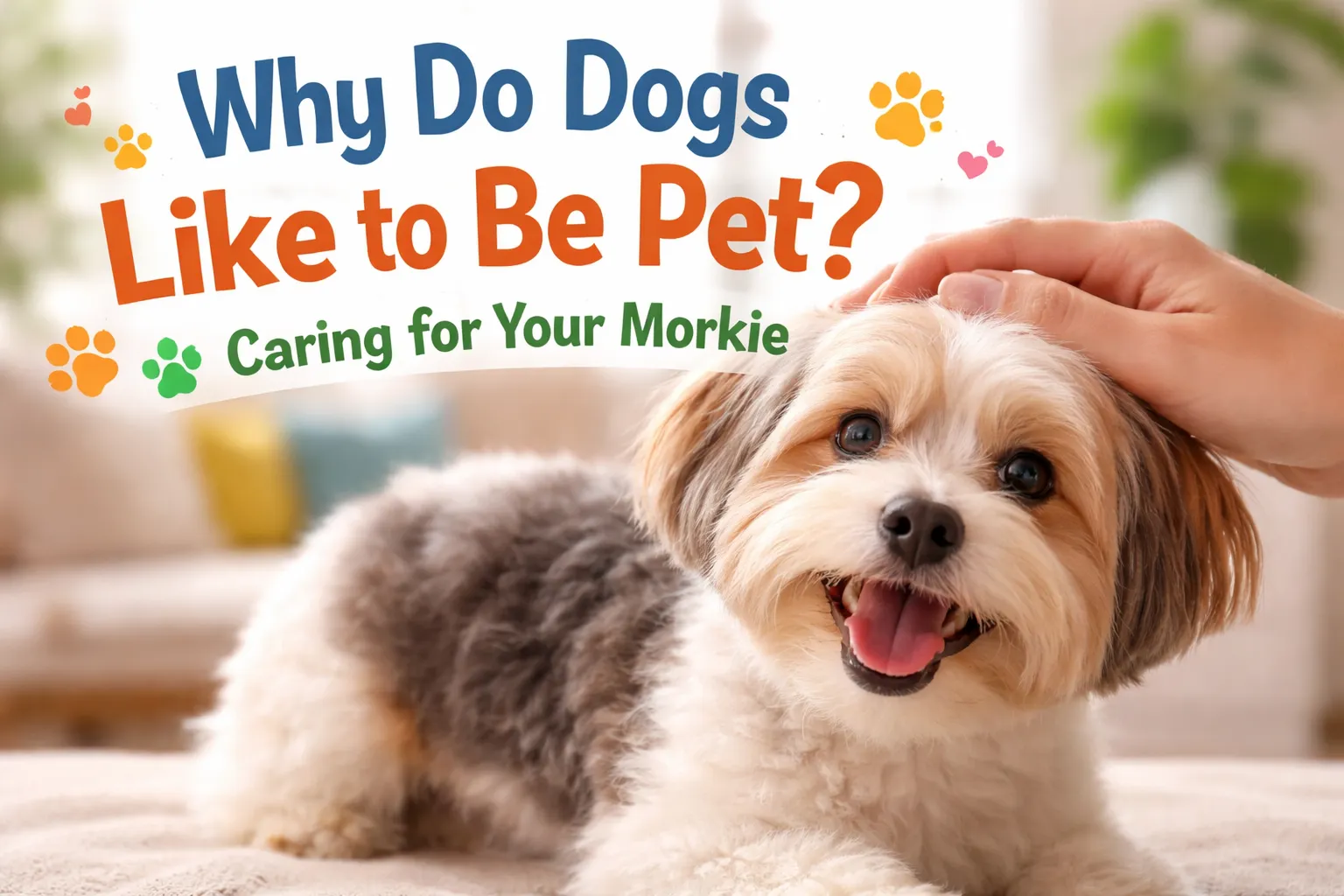
Why Do Dogs Like to Be Pet? Caring for Your Morkie
Petting a dog is one of the simplest ways to strengthen your bond and show love. For dogs, gentle touches are more than just pleasant—they communicate trust, comfort, and affection. Small breeds like Morkies, known for their social and affectionate nature, often seek human contact more than other dogs, making petting an essential part of their emotional well-being.
In this article, we will explore why do dogs like to be pet, how your Morkie expresses enjoyment, the best ways to pet them, and how these interactions can improve their overall health and happiness.
Understanding Canine Affection
Dogs are naturally social animals that thrive on human interaction. When a dog seeks petting, it is their way of connecting with you emotionally and physically. Petting strengthens trust, builds security, and contributes to your Morkie’s happiness. Observing your dog’s response to touch can also reveal a lot about their personality, comfort level, and emotional needs.
The Science of Petting Dogs
Gentle petting triggers the release of oxytocin, often called the “love hormone,” in both dogs and humans. Oxytocin helps foster bonding, relaxation, and feelings of trust.
Petting also helps reduce stress and anxiety, calming the dog and even lowering their heart rate. Over time, regular, gentle touch contributes to emotional balance and a secure sense of well-being in your Morkie.
Beyond emotional benefits, petting strengthens the human-dog bond. Every affectionate touch signals to your dog that they are safe, loved, and valued—especially important for sensitive small breeds like Morkies.
How Dogs Communicate Enjoyment
Dogs communicate through body language more than words. Common signs that your Morkie is enjoying petting include:
- Wagging tail and relaxed body posture
- Leaning into your touch or nudging for more
- Soft eyes and relaxed ears
- Gentle licking or nudging
It’s also important to note that different breeds display affection differently. Morkies may be more vocal or seek lap time, while larger breeds may simply lie down and relax. Recognizing these cues ensures your petting is enjoyable rather than overwhelming.
Why Your Morkie Loves to Be Petted
Morkies are affectionate, playful, and highly social dogs. Their small size and sensitive nature make human contact particularly comforting. Understanding why your Morkie enjoys being petted can help you strengthen your bond and ensure your pet feels safe and loved.

Breed Traits and Temperament
Morkies are a cross between Maltese and Yorkshire Terriers, combining traits from both breeds. They are known for being:
- Playful and curious
- Affectionate and loyal
- Sensitive to touch and emotional cues
These personality traits explain why Morkies often seek human contact more than some other breeds. They thrive on attention, cuddles, and gentle interaction.
Emotional Comfort
Petting provides your Morkie with emotional reassurance. Gentle strokes can reduce anxiety, stress, and separation-related behaviors, making them feel safe and secure. A simple petting session after a walk or playtime can help your dog relax and build trust.
Physical Benefits
Petting isn’t just emotional—it has physical benefits as well. Regular gentle strokes can:
- Improve circulation and promote relaxation
- Stimulate nerve endings and improve coat health
- Reduce tension and promote overall well-being
Through consistent affection, your Morkie stays both happy and healthy, physically and emotionally.
How to Properly Pet Your Morkie
Not all petting is equal. Knowing the best techniques, spots, and timing ensures your Morkie enjoys the experience without feeling overwhelmed.
Best Petting Spots
Most dogs enjoy being stroked in certain areas:
- Head, behind the ears, under the chin
- Back and chest
Some areas may be more sensitive:
- Tail base and paws (unless your dog is comfortable)
- Stomach (can be intimidating for shy dogs)
Techniques for Maximum Enjoyment
- Use gentle strokes for sensitive areas and firmer rubs for the back.
- Speak in a calm, soothing voice while petting.
- Observe your Morkie’s reactions to adjust your technique, ensuring they feel comfortable.
Timing and Frequency
- Pet your Morkie during calm moments, such as after walks, playtime, or during cuddles.
- Avoid overstimulation; signs like turning the head, shifting away, or flicking the tail indicate it’s time to stop.
- Short, consistent sessions are better than long, forced interactions.
Bonding Beyond Petting
Petting is just one way to connect with your Morkie. Other activities can strengthen your bond while providing physical and mental stimulation.
Playtime and Mental Stimulation
Interactive games like fetch, hide-and-seek, or puzzle toys complement petting. These activities satisfy your Morkie’s natural curiosity and energy while reinforcing positive connections.
Training with Positive Reinforcement
Combine petting with treats and praise during training. This not only encourages good behavior but also reinforces the emotional bond between you and your Morkie.
Grooming as a Form of Affection
Brushing, gentle massages, and nail care sessions are not only practical but also serve as bonding activities. Morkies often enjoy being groomed when it’s done gently, further strengthening trust and affection.
Common Mistakes to Avoid
Even well-intentioned petting can sometimes have the opposite effect if it’s not done thoughtfully. While petting is a great way to bond with your Morkie, it’s important to understand their limits and preferences. Making mistakes can lead to stress, discomfort, or even behavioral issues. Here are the most common pitfalls and how to avoid them:
Over-Petting and Overstimulation
Petting might seem harmless, but too much at once can overwhelm your dog. Overstimulation can lead to restlessness, growling, or attempts to move away. Small breeds like Morkies are particularly sensitive, and prolonged or overly vigorous petting can make them anxious rather than relaxed.
Tip: Keep petting sessions short and watch your dog’s body language. If your Morkie turns their head, stiffens, or moves away, it’s a sign to pause or stop. Multiple short sessions throughout the day are usually better than a single long session.
Ignoring Body Language Cues
Dogs communicate their comfort and discomfort primarily through body language. Signs like tensing up, turning away, growling, or flicking the tail are their way of saying they’ve had enough. Ignoring these cues can make your Morkie anxious, reduce trust, and even create fear associated with human touch.
Tip: Pay close attention to your Morkie’s signals. A relaxed, wiggly body and wagging tail usually indicate enjoyment, while stiff posture, flattened ears, or avoidance behaviors suggest it’s time to stop or adjust your approach.
Using Petting as a Substitute for Quality Attention
Some owners may think that petting alone is enough to engage their dog, but meaningful interaction goes beyond physical touch. Petting without play, mental stimulation, or training can leave your Morkie bored or unfulfilled. Dogs need a mix of attention, engagement, and affection to thrive.
Tip: Combine petting with interactive activities, positive reinforcement training, and playful moments. For example, pet your Morkie after a short training session or during cuddle time after a walk. This reinforces positive behavior and strengthens your emotional bond.
Understanding and Respecting Boundaries
Every Morkie has unique preferences—some love belly rubs, while others may prefer gentle strokes on the head or back. Respecting your dog’s individual boundaries ensures that petting remains a positive and rewarding experience for both of you.
Tip: Experiment with different petting techniques and observe which spots your Morkie enjoys most. Avoid forcing contact, and let your dog initiate affection when possible. Over time, you’ll learn exactly how your Morkie likes to be petted, making each interaction enjoyable and stress-free.
Signs Your Morkie Wants to Be Petted
Recognizing your dog’s signals helps you know when they are ready for affection:
- Approaching you for attention
- Resting their head on your lap
- Nudging or gently pawing at you
- Relaxed body posture and tail wagging
Responding to these cues ensures petting remains a joyful experience for both you and your dog.
The Bigger Picture: Why Petting Matters
Petting goes beyond simple affection—it promotes emotional, physical, and social well-being:
- Emotional health: Reduces anxiety and builds trust.
- Physical health: Improves circulation, reduces stress hormones, and relaxes muscles.
- Relationship strengthening: Morkies thrive on human connection, and petting reinforces their sense of safety and belonging.
Consistent, gentle touch can have long-lasting benefits that improve your Morkie’s happiness and quality of life.
Conclusion on Why Do Dogs Like to Be Pet
Petting is more than a simple gesture—it’s a way to communicate love, reduce stress, and deepen your bond. Understanding why do dogs like to be pet helps you recognize your Morkie’s cues and respond in ways that make every interaction enjoyable and meaningful. When you know why do dogs like to be pet, you can provide gentle touch that strengthens trust and comfort for your furry companion.
Spend quality time with your Morkie through petting, play, and bonding activities. The more you pay attention to why do dogs like to be pet and meet their emotional and physical needs, the happier, healthier, and more connected your Morkie will be.
Share your favorite ways to bond with your Morkie in the comments below, and let us know how your dog reacts when you pet them! Understanding why do dogs like to be pet will help every cuddle and stroke be even more rewarding.