Benadryl for Dogs: Morkie Allergies and Dosage Guide
Dog allergies are more common than many pet owners realize, and they can range from mild irritations to serious health concerns. Just like humans, dogs can react to environmental factors, foods, or seasonal triggers that cause discomfort. One of the most commonly recommended solutions for managing mild allergic reactions is Benadryl for dogs—an over-the-counter antihistamine that can help reduce itching, swelling, and other allergy symptoms.
However, not all dogs are the same. Morkies, the charming hybrid of a Maltese and a Yorkshire Terrier, are small and delicate, which means they require extra care when it comes to any medication. A dosage that’s safe for a larger dog could easily be too strong for a tiny Morkie, making precise measurement and veterinary guidance essential.
In this article, we’ll provide clear guidance on how to use Benadryl for dogs safely for your Morkie, including proper dosage, potential side effects, and signs that indicate it’s time to see a vet. By the end, you’ll feel confident in helping your furry friend manage allergies safely and effectively.
Understanding Morkie Allergies
Morkies may be small, but they’re just as susceptible to allergies as larger breeds. Understanding the common triggers and symptoms is key to keeping your pup comfortable and healthy.
Common Allergies in Morkies
- Seasonal Allergies: Like humans, dogs can react to pollen, grass, and other outdoor allergens. These often become more noticeable in spring and summer when pollen counts are high. Morkies may scratch more than usual, sneeze, or develop red, irritated skin during these seasons.
- Food Allergies: Some Morkies are sensitive to certain proteins or ingredients in their diet. Common culprits include chicken, beef, dairy, and grains. Food allergies can cause gastrointestinal issues, itching, or recurring ear infections.
- Environmental Allergens: Dust, mold, cleaning chemicals, or even certain fabrics can trigger allergic reactions in sensitive dogs. Indoor allergens are particularly tricky because they can affect your Morkie year-round.
Symptoms to Watch For
Knowing the signs of an allergic reaction in your Morkie can help you intervene early:
- Itchy skin, scratching, or licking paws: Constant scratching or licking is often the first sign of discomfort. Small dogs like Morkies may develop hot spots from repeated irritation.
- Redness or hives: Raised bumps, red patches, or inflamed areas on the skin indicate a histamine reaction, which Benadryl can help relieve.
- Sneezing, watery eyes, or runny nose: Respiratory symptoms, while less common than skin reactions, can still occur and signal an allergy your vet should monitor.
Recognizing these triggers and symptoms early can make a huge difference in your Morkie’s comfort, and knowing when to use Benadryl safely is the next step in managing these allergies effectively.
What is Benadryl?
Benadryl, whose active ingredient is diphenhydramine, is a widely used antihistamine for both humans and dogs. It works by blocking the action of histamines—chemicals released by the body during an allergic reaction. In dogs, histamines are responsible for common allergy symptoms like itching, swelling, redness, and hives. By reducing the effects of histamine, Benadryl helps calm your Morkie’s allergic reactions and can provide noticeable relief from discomfort.
Benadryl comes in several forms, giving pet owners flexibility depending on what’s easiest for their dog:
- Tablets: Easy to give directly or hidden in a treat.
- Liquid: Ideal for precise dosing, especially for small dogs like Morkies.
- Chewables: Convenient and palatable for dogs who resist pills.
While Benadryl is generally safe when used correctly, small breeds like Morkies require careful attention to dosage and administration.
Is Benadryl Safe for Morkies?
When it comes to small dogs, safety is paramount. Morkies are delicate, and even minor miscalculations in medication can cause adverse effects. Here’s what you need to know:
Potential Side Effects:
- Drowsiness: The most common effect, often mild but sometimes pronounced in small breeds.
- Dry Mouth or Nose: Keep water available to prevent dehydration.
- Mild Stomach Upset: Occasional vomiting or diarrhea may occur, especially if the medication is given on an empty stomach.
Situations Where Benadryl Should Not Be Used:
- Pregnancy or Nursing: Effects on puppies are not well-studied.
- Certain Health Conditions: Dogs with glaucoma, heart disease, high blood pressure, or prostate problems may be at risk.
- Interactions with Other Medications: Always check with your vet if your Morkie is on prescription drugs.
Benadryl can be a helpful tool for managing mild allergies, but careful monitoring and consultation with your veterinarian are essential.
Dosage Guide for Morkies
For small dogs like Morkies, accurate dosing is crucial. A general guideline is:
1 mg of Benadryl per pound of body weight, 2–3 times per day.
Examples:
- A 5 lb Morkie → 5 mg per dose
- A 7 lb Morkie → 7 mg per dose
Tips for Safe Administration:
- Liquid Forms: Use a syringe or dropper to measure precisely. Avoid household spoons, which can be inaccurate.
- Tablets/Chewables: Break tablets carefully if needed to achieve the correct dose.
- Always Consult Your Vet: Before giving any medication, confirm that Benadryl is appropriate for your dog’s specific health conditions and that the dosage is correct.
By following these guidelines, you can help ensure your Morkie gets relief safely without unnecessary risks.
⚠️ Disclaimer: The information provided here is for educational purposes only and is not a substitute for professional veterinary advice. Always consult your veterinarian before giving your Morkie Benadryl or any other medication. Dosage may vary based on your dog’s health, weight, and specific needs. Do not give Benadryl if your dog has underlying health conditions or is taking other medications without veterinary guidance.
How to Administer Benadryl to Your Morkie
Giving medication to a small dog like a Morkie can be tricky, but there are several ways to make the process smoother and less stressful for both you and your pup:
Methods of Administration:
- Tablets: You can give the pill directly if your Morkie is comfortable taking it from your hand. Some owners gently place it at the back of the tongue and offer a small treat afterward.
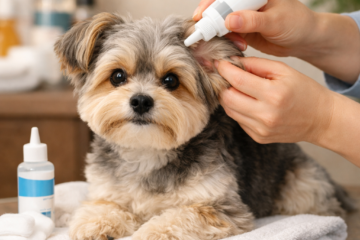
- Liquid: A syringe or dropper works best for accurate dosing. Slowly squirt the liquid into the side of your Morkie’s mouth.
- Hiding in Treats: Many small dogs are more willing to take medication if it’s hidden in a soft treat, peanut butter, or a small piece of cheese.
Tips for Minimizing Stress:
- Keep the experience calm and positive. Speak softly and offer praise.
- Use small, bite-sized treats to reward compliance.
- Administer medication in a quiet, familiar area to reduce anxiety.
Signs Your Morkie is Tolerating Benadryl Well:
- Calm behavior without excessive drowsiness
- No vomiting or diarrhea
- Relief from itching and allergic discomfort
Monitoring your dog after the first dose is important, especially since small breeds may be more sensitive to medications.
When to See a Vet
While Benadryl can relieve mild allergy symptoms, there are situations where veterinary attention is critical:
Situations Where Benadryl May Not Be Enough:
- Severe or persistent itching and scratching
- Swelling of the face, ears, or paws
- Difficulty breathing, wheezing, or gagging
Allergic Reactions That Require Immediate Attention:
- Hives covering a large area of the body
- Sudden collapse or extreme lethargy
- Vomiting or diarrhea combined with other symptoms
If you notice any of these signs, contact your veterinarian immediately, as these could indicate a serious allergic reaction or another medical emergency.
Alternative Ways to Help Morkie Allergies
While Benadryl can provide fast relief for mild allergic reactions, there are several other strategies to help your Morkie stay comfortable and reduce allergy triggers:
Diet Adjustments for Food Sensitivities
Some Morkies react to certain proteins or ingredients in their food. Switching to a limited-ingredient diet or a hypoallergenic dog food can help reduce itching, digestive issues, and other allergy symptoms. Always consult your vet before changing your dog’s diet.
Regular Grooming to Remove Allergens
Frequent baths and brushing help remove pollen, dust, and dander from your Morkie’s coat. Consider using hypoallergenic or medicated shampoos recommended for dogs with sensitive skin.
Environmental Changes
Reducing allergens in your home can make a big difference:
- Use HEPA air filters to remove dust and pollen from the air.
- Wash bedding regularly in hot water to eliminate allergens.
- Opt for hypoallergenic bedding and blankets for your Morkie’s sleeping areas.
Combining these strategies with medication when needed can improve your Morkie’s quality of life and minimize allergy flare-ups.
FAQs on benadryl for dogs
In this FAQ section, we answer common questions Morkie owners have about giving Benadryl to their small dogs. Learn how to safely administer the medication, how often it can be given, what to do in case of an overdose, and alternative ways to help manage your Morkie’s allergies.
Q: Can I give human Benadryl to my Morkie?
A: Yes, plain diphenhydramine (without added ingredients like decongestants or flavorings) can be used for dogs. However, always check the dosage carefully and consult your vet first to ensure it’s safe for your Morkie.
Q: How often should I give Benadryl to my Morkie?
A: Typically, Benadryl can be given 2–3 times per day, using the recommended dose of 1 mg per pound of body weight. Stick to the schedule, and never exceed the vet-approved dosage.
Q: What should I do if my Morkie takes too much Benadryl?
A: Signs of overdose may include severe drowsiness, vomiting, rapid heartbeat, or tremors. If this happens, contact your veterinarian or an emergency animal clinic immediately. Quick action can prevent serious complications.
Conclusion on benadryl for dogs
Allergies can make life uncomfortable for your Morkie, but with proper care, you can help your small dog feel happy and healthy. Benadryl for dogs is a safe and effective option for relieving mild allergy symptoms, including itching, redness, and hives. It’s important to follow the correct dosage and monitor your Morkie for any side effects, as small breeds can be more sensitive to medications. When used responsibly, Benadryl can make a noticeable difference in your dog’s comfort and quality of life.Alongside medication, consider other strategies to manage your Morkie’s allergies. Regular grooming, diet adjustments, and allergen-free environments can reduce flare-ups and enhance the effects of Benadryl for dogs. Always consult your veterinarian before starting any medication to ensure it’s safe and appropriate for your pet. By combining these approaches, you can help your Morkie stay itch-free, comfortable, and full of energy while safely managing allergies.