How Do Dogs Get Parvo and Why Morkies Are Most at Risk
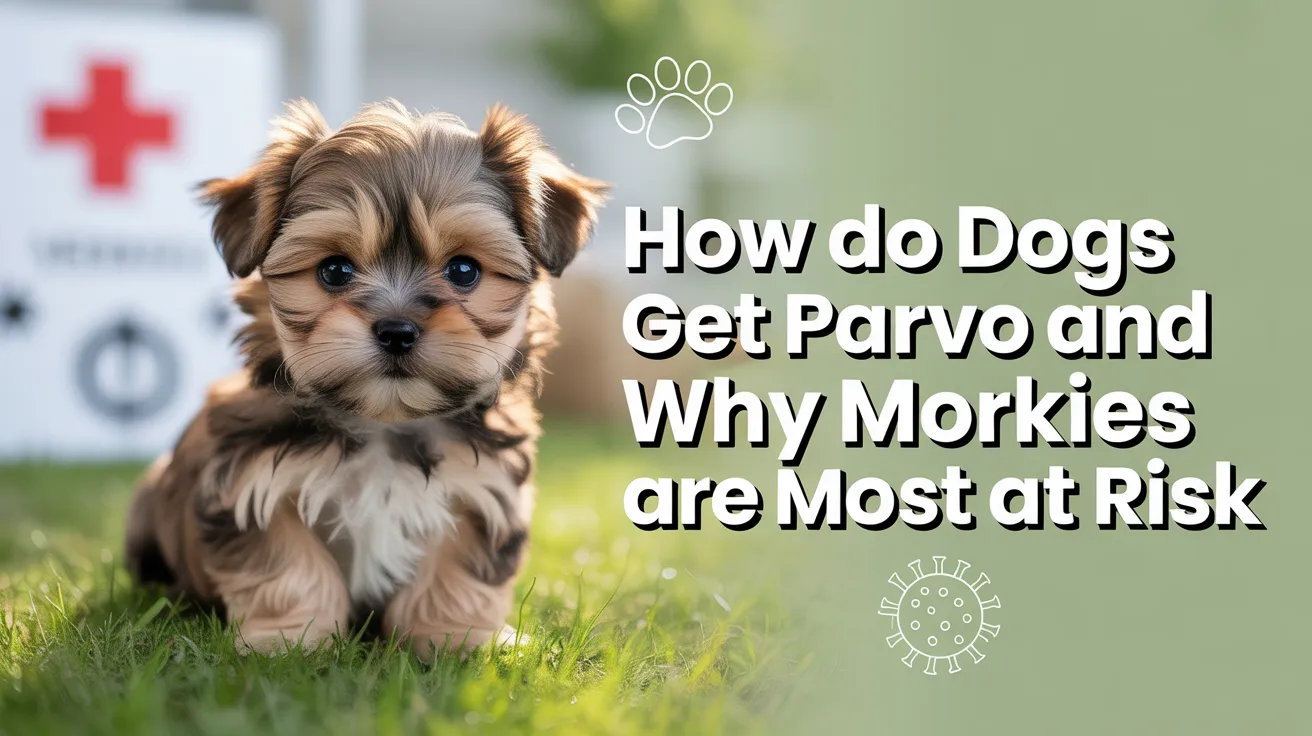
Parvovirus—commonly called parvo—is one of the most serious and highly contagious viral diseases affecting dogs, especially puppies under six months old. If you’re a dog owner, it’s natural to ask: how do dogs get parvo, and why are certain breeds like Morkies more vulnerable than others?
Parvo is feared among veterinarians and breeders because it spreads rapidly, progresses aggressively, and can become life-threatening in a short period of time. What makes it especially dangerous is how easily dogs can be exposed without direct contact with a sick animal. The virus is invisible, resilient, and capable of surviving in everyday environments such as yards, sidewalks, kennels, and even on shoes.
Understanding how parvo spreads, recognizing the early warning signs, and knowing why small breeds like Morkies may face greater risks can make all the difference. With the right knowledge and preventive steps, you can significantly reduce your dog’s chances of infection and respond quickly if symptoms appear.
What Is Canine Parvovirus?
Canine parvovirus (CPV) is a highly contagious viral infection that primarily attacks a dog’s gastrointestinal (digestive) system. First identified in the late 1970s, it quickly became a global concern due to its rapid transmission and high mortality rate in untreated puppies.
The virus specifically targets rapidly dividing cells in a dog’s body. These include:
- Cells lining the intestines
- Bone marrow cells
- Lymphatic tissue (part of the immune system)
When the intestinal lining is damaged, the body loses its ability to properly absorb nutrients and fluids. This leads to severe vomiting and diarrhea—often bloody—resulting in dangerous dehydration. At the same time, damage to the bone marrow suppresses white blood cell production, weakening the immune system and making it harder for the body to fight secondary infections.
In very young puppies (typically under 8 weeks old), parvo can also attack the heart muscles, a form known as myocardial parvovirus. While less common today due to vaccination, it can cause sudden heart failure and may be fatal.
Another reason parvo is so dangerous is its environmental durability. Unlike many viruses that die quickly outside a host, parvovirus can survive for months in soil, grass, carpets, and on surfaces. It is resistant to heat, cold, and many common disinfectants. Only specific cleaning agents, such as diluted bleach solutions, are effective at killing it.
Because of its strength, speed, and ability to persist in the environment, prevention through vaccination and controlled exposure is absolutely critical. Early detection and immediate veterinary treatment dramatically improve survival rates, but avoiding infection in the first place is always the safest approach.
How Do Dogs Get Parvo?
Understanding how do dogs get parvo is the first and most important step in preventing this dangerous disease. Parvovirus spreads through both direct contact (dog-to-dog) and indirect contact (contaminated objects or environments). Because the virus is extremely hardy and invisible to the naked eye, dogs can become infected in ways owners might never expect.
Below is a deeper look at the most common transmission routes.
1. Contact with Infected Dogs
The most direct answer to how do dogs get parvo is through exposure to an infected dog. Parvo is shed in extremely high amounts in the feces of infected dogs. Even microscopic traces of contaminated stool can carry enough viral particles to infect another dog.
Dogs can become infected by:
- Sniffing contaminated feces
- Licking contaminated ground
- Grooming themselves after stepping in infected material
- Sharing food or water bowls
What makes parvo especially concerning is that infected dogs can begin shedding the virus before showing symptoms. This means a puppy at a park, shelter, breeder’s home, or daycare facility could be exposed without anyone realizing a sick dog is present.
Puppies under 16 weeks old are particularly vulnerable because their immune systems are still developing and may not yet be fully protected by vaccines.
2. Contaminated Environments
One of the most alarming aspects of how do dogs get parvo is the virus’s ability to survive in the environment for months—sometimes even longer under the right conditions.
Parvo can live on:
- Grass
- Soil
- Concrete
- Kennels
- Crates
- Food and water bowls
- Toys
- Bedding
- Clothing and shoes
Unlike many viruses that die quickly outside a host, parvovirus is extremely resistant to heat, cold, humidity, and many household cleaners. This durability allows it to linger in places like dog parks, sidewalks, apartment complexes, and even your own backyard if an infected dog has been there.
This means your dog doesn’t need to meet a sick dog face-to-face to become infected. Simply walking through a contaminated area and then licking their paws can be enough for exposure.
3. Human Transmission (Indirect Spread)
Although humans cannot contract canine parvovirus, they can unknowingly act as carriers. This indirect spread is another major factor in understanding how do dogs get parvo.
For example:
- You step in contaminated soil at a park.
- Viral particles cling to your shoes.
- You walk into your home where your puppy plays.
Without proper sanitation, the virus can be transferred into your dog’s environment. The same applies to clothing, hands, pet carriers, and even vehicle floors.
This is why veterinarians often recommend:
- Removing or disinfecting shoes before entering your home
- Washing hands after interacting with unfamiliar dogs
- Avoiding high-risk areas until puppies are fully vaccinated
Even responsible pet owners can accidentally expose their dogs if they’re unaware of how persistent the virus can be.
4. Lack of Vaccination
Perhaps the most critical factor in how do dogs get parvo turning into a serious health crisis is incomplete or missing vaccinations.
Puppies are not born fully protected. While they may receive temporary antibodies from their mother, this immunity fades over time. To build lasting protection, puppies require a series of vaccinations typically given at:
- 6–8 weeks
- 10–12 weeks
- 14–16 weeks
If this vaccine schedule is interrupted, delayed, or skipped, the puppy remains highly vulnerable.
Even a single exposure to parvo during this unprotected window can lead to infection. Adult dogs that are overdue for booster shots may also lose immunity over time, putting them at risk.
Vaccination does not just protect your dog—it also helps prevent the spread of the virus within the broader dog community.
Why Understanding Transmission Matters
Because parvo spreads so easily and survives so long in the environment, prevention must be proactive. Knowing exactly how do dogs get parvo allows you to:
- Limit exposure during high-risk stages
- Follow proper vaccination schedules
- Maintain strict hygiene practices
- Make safer socialization decisions for your puppy
Awareness is your strongest defense. The more you understand about transmission, the better equipped you’ll be to protect your dog from this dangerous disease.
Why Are Morkies Most at Risk?
Morkies—a cross between the Maltese and the Yorkshire Terrier—are affectionate, playful, and incredibly popular companion dogs. Their tiny size and adorable appearance make them a favorite choice for families and apartment living.
While parvo can affect any breed, several factors make Morkies particularly vulnerable, especially during puppyhood.
1. Small Size and Rapid Dehydration Risk
Morkies are toy-sized dogs, often weighing just a few pounds as puppies. Because of their small body mass:
- They have less fluid reserve.
- They lose electrolytes faster.
- They dehydrate more quickly.
Since parvo causes severe vomiting and diarrhea, fluid loss can become life-threatening much faster in small dogs compared to larger breeds. A condition that might take a larger dog a day or two to become critical can escalate in a Morkie within hours if untreated.
2. Puppy Popularity and Early Vulnerability
Most Morkies are adopted or purchased as young puppies. Puppies under 16 weeks old are the highest-risk group for parvo because:
- Their immune systems are still developing.
- Maternal antibodies begin fading around 6–8 weeks.
- They require multiple vaccine doses for full protection.
If vaccinations are delayed, spaced improperly, or not completed, the puppy remains vulnerable. Because Morkies are often rehomed during this sensitive window, exposure risk can increase during transport, breeder visits, or early socialization.
3. Breeding and Close-Quarter Exposure
Designer breeds like Morkies may be bred in environments where multiple litters are raised together. In facilities with high puppy turnover:
- Shared bedding
- Common feeding bowls
- Frequent handling
- Limited sanitation controls
can all contribute to rapid viral spread if parvo is introduced.
Even in well-maintained environments, the presence of multiple young, unvaccinated puppies creates a higher overall exposure risk.
4. Early Socialization in Public Spaces
New owners often want to socialize their Morkie puppy quickly. While socialization is important, exposing puppies to:
- Dog parks
- Sidewalks in busy neighborhoods
- Pet stores
- Grooming salons
before vaccinations are complete significantly increases the risk of exposure.
Because many people do not fully understand how do dogs get parvo, they may unknowingly bring puppies into high-risk areas too soon.
5. Stress Sensitivity
Morkies are known to be emotionally sensitive and can become stressed in unfamiliar environments. Stress impacts the immune system by increasing cortisol levels, which may reduce the body’s ability to fight infection.
Major stress triggers include:
- Moving to a new home
- Long travel
- Separation anxiety
- Changes in routine
When stress is combined with incomplete vaccination, susceptibility increases.
Symptoms of Parvo in Dogs
If you’re learning how do dogs get parvo, it’s equally important to recognize symptoms early. Clinical signs usually appear 3–7 days after exposure and can worsen quickly.
Common symptoms include:
- Severe, persistent vomiting
- Bloody or foul-smelling diarrhea
- Extreme lethargy
- Loss of appetite
- Fever (or sometimes low body temperature)
- Rapid dehydration
- Weakness or collapse
One hallmark of parvo is the sudden onset of extreme gastrointestinal distress in an otherwise healthy puppy.
Because Morkies are small, dehydration can become critical very quickly. Gums may appear pale or dry, and the puppy may become unresponsive if treatment is delayed.
Parvo can progress rapidly. Without treatment, it may become fatal within just a few days.
How Is Parvo Treated?
There is currently no medication that directly kills parvovirus once infection occurs. Treatment focuses on aggressive supportive care to help the dog’s body fight the virus.
Veterinary treatment may include:
- IV fluids to correct dehydration and electrolyte imbalance
- Anti-nausea medications to control vomiting
- Antibiotics to prevent secondary bacterial infections
- Pain management when needed
- Nutritional support, sometimes through assisted feeding
- Close monitoring in a hospital setting
Hospitalization can last several days, depending on severity. Early intervention dramatically improves survival rates. With prompt treatment, survival can exceed 80–90%, but delays significantly reduce outcomes.
How to Protect Your Morkie from Parvo
Now that you understand how do dogs get parvo, prevention becomes your most powerful defense.
1. Follow the Vaccination Schedule Carefully
Puppies typically receive parvo vaccinations at:
- 6–8 weeks
- 10–12 weeks
- 14–16 weeks
A booster is given one year later and then every few years as recommended by your veterinarian.
Never skip or delay doses. Full immunity develops only after the complete series is administered.
2. Avoid High-Risk Areas Until Fully Vaccinated
Until your Morkie’s vaccine series is complete, avoid:
- Dog parks
- Pet stores
- Grooming salons
- Apartment dog relief areas
- Sidewalks heavily trafficked by unknown dogs
Instead, allow interaction only with fully vaccinated dogs in controlled environments.
3. Practice Strict Hygiene
Since parvo can be carried indoors, protect your puppy by:
- Disinfecting shoes before entering the home
- Washing hands after handling unfamiliar dogs
- Cleaning surfaces with bleach-based disinfectants (one of the few solutions effective against parvo)
Avoid allowing your puppy to sniff or lick outdoor surfaces in high-traffic areas.
4. Strengthen Overall Health
A strong immune system adds an extra layer of defense. Support your Morkie’s health by:
- Feeding high-quality, balanced puppy food
- Keeping stress low
- Ensuring proper sleep
- Scheduling routine veterinary checkups
Healthy puppies are better equipped to respond to infections.
Final Thoughts
Parvo is a serious—but highly preventable—disease. The more you understand how do dogs get parvo, the better equipped you are to protect your puppy from unnecessary risk. From contaminated environments to incomplete vaccinations, knowing how do dogs get parvo allows you to make safer choices during your dog’s most vulnerable stages of life.
Morkies, because of their tiny size, early adoption age, and sensitive immune systems, can be especially at risk. What might be manageable in a larger dog can become critical very quickly in a small breed. That’s why prevention, early recognition, and rapid action are so important.
By strictly following vaccination schedules, avoiding high-risk public areas until full immunity develops, and practicing careful hygiene at home, you dramatically reduce the chances of infection. If symptoms such as vomiting, bloody diarrhea, or extreme lethargy appear, seek veterinary care immediately—early treatment can truly save your dog’s life.
It’s also important to remember that if your dog is sick, you should never try to treat severe symptoms on your own. Many owners wonder, what can I give my dog for pain, but with parvo or any serious illness, only a veterinarian should guide treatment to avoid dangerous complications.
Your Morkie depends entirely on you for safety and care. By understanding how do dogs get parvo and staying proactive, you can help ensure your furry companion stays healthy, protected, and by your side for many happy years to come.